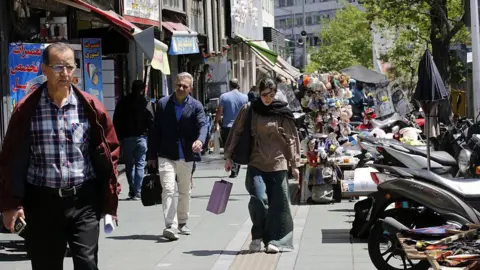
In the devastating landscape of conflict in Iran, the stories of lost civilian lives bring a piercing spotlight on the human cost of war. Among the casualties are Parastesh Dahaghin, a 24-year-old pharmacist killed in an explosion while attending to patients in her pharmacy, and Berivan Molani, a 26-year-old lifestyle blogger who returned to Tehran from safer grounds just a day before she fell victim to an airstrike.
Parastesh's death occurred when an IT company building nearby was targeted, reportedly due to its role in an internet shutdown. Her brother shared her altruistic resolve, stating she believed her patients needed her, despite the dangers of staying in Tehran.
In another tragic incident, Berivan, who was killed as debris hit her while she was in bed, highlighted the fierce unpredictability of life during wartime, even within one's own home. Her family's ignorance about the proximity of military targets poignantly illustrates the risks civilians face.
Reports estimate over 1,400 civilian deaths have occurred during the conflict, with a striking percentage of these being children. The International Committee of the Red Cross has decried the alarming rates of civilian casualties, urging for compliance with international humanitarian laws that protect civilians and infrastructure during conflicts.
Amidst these tragedies, such as the death of 3-year-old Eilmah Bilki from injuries sustained in an airstrike, the heartbreaking reality of war is unforgiving. As airstrikes continue to rattle cities like Tehran, cries for humanitarian support and accountability in warfare grow louder.