In brief
On December 26, 2004, the world witnessed one of the deadliest natural disasters in history when a massive tsunami struck after a catastrophic earthquake.
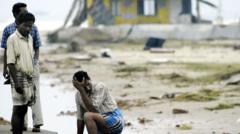
As we set sail from Port Blair towards Havelock Island, the calm morning took a haunting turn. Just moments after leaving the dock, we felt our boat abruptly rock, witnessing the nearby jetty crumble into the foamy sea. The serene beauty of the Andaman and Nicobar Islands, known for Radhanagar beach—recently named “Asia's Best Beach” by Time magazine—was about to be eclipsed by catastrophe.The earthquake hit at 06:30 AM local time, registering a staggering 9.1 magnitude, the most powerful ever in Asia and the third globally. It triggered a monstrous tsunami that would send 228,000 lives spiraling into despair across multiple nations, with Indonesia, Sri Lanka, India, the Maldives, and Thailand bearing the brunt. Just about 100 kilometers from the earthquake's epicenter, our supposed island getaway turned into a scene of chaos.We sailed blissfully unaware of the devastation surrounding us, relying on crew snippets and struggling to connect with mobile phones that had ceased to function. Rumors circulated of damage in distant regions, but the fate of the Andaman and Nicobar Islands remained shrouded in uncertainty. As we eventually learned, devastating waves—some hitting up to 15 meters—overwhelmed our islands, plunging homes into the water.Upon our return to Port Blair, anxiety took hold as we learned the Havelock jetty was submerged. Together with fellow passengers, our eagerness for sun morphed into apprehension as we reinstated our docking plans. When we reached Chatham harbor, the extent of destruction became painfully clear: shattered buildings, overturned boats, and roads sliced apart marked the path of the tidal waves, leaving countless individuals homeless.The heart-wrenching stories of loss began to circulate. Families, like a traumatized nine-year-old girl I met, faced the horror of flooding and near-drowning. The reality was stark: over 7,000 islanders were believed lost, amid the grim recovery efforts that unfolded over the subsequent weeks. Saltwater made fresh water scarce and rendered farmland unusable, sparking a rescue operation that involved military deployment to deliver supplies and retrieve survivors.Survivors spoke of impossible situations—like one woman desperately clinging to her newborn amidst the chaos. Port Blair felt the tremors of aftershocks for days, instilling fear of recurring tsunamis among its distraught residents.My journey through Car Nicobar revealed sheer devastation; a flattened air force base and heart-wrenching stories of families torn apart. Tragically, for every body found, many lingered, lost beneath the waves. The visual memories of wreckage haunted our visit, interspersed with moments of solemnity during mass cremations of the deceased.Twenty years later, I reflect on that fateful day—a narrow escape that could have easily ended in tragedy. As survivors continue to cherish bittersweet memories, it’s a reminder of nature's immense power and the fragility of life in the face of disaster.