In brief
Pope Leo XIV's inaugural foreign trip to Beirut, following Israeli airstrikes, highlights his commitment to peace. His carefully planned interactions symbolize a departure from his predecessor's more passionate style, offering a diplomatic approach focused on reconciliation and understanding among diverse faiths. His presence brings hope to many in Lebanon amidst governance issues and lingering conflict.
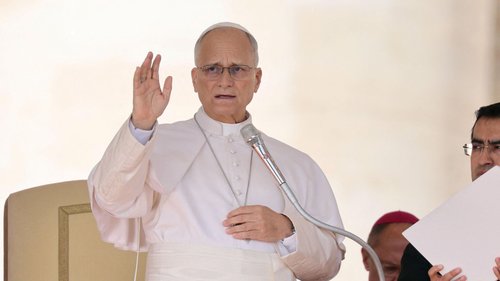
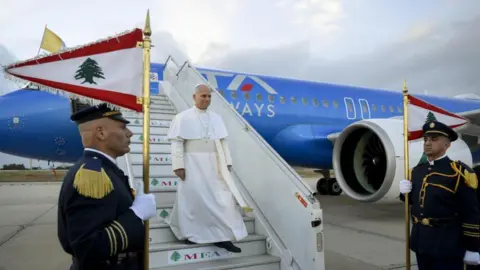
Pope Leo XIV has arrived in the Lebanese capital Beirut a week after Israeli air strikes hit the area.
For a man known for being measured and careful in what he does, it seems quite the statement to land in a country so affected by conflict in what is his first foreign trip.
The Pope has already spent three days in Turkey and, watching his diplomacy at close quarters, we are learning a little more about how he intends to carry out his duties as both spiritual leader and head of state of Vatican City.
Pope Leo's interactions with journalists are gentle and softly spoken, and his words always appear thought out and deliberate.
His predecessor, Pope Francis, often spoke at length to reporters, sometimes passionately and from the heart, leading to his aides handling the fallout from his remarks.
In contrast, Pope Leo appears enveloped in the weight of the responsibilities, especially as he connects with the Christian minority in Turkey, demonstrating sensitivity in his new role.
In Turkey, while standing with President Erdogan, he voiced concerns about the world's escalating conflicts and emphasized the need for dialogue over violence. His remarks included a call for a Palestinian state as part of a long-term solution to the Israeli-Palestinian conflict.
Upon reaching Lebanon, his first engagement served to remind national leaders of their duty to the public, a message resonating deeply given the country’s political crises.
Patriarch Bechara al-Rahi expressed the sentiment of many Lebanese, stating that Pope Leo’s visit is a beacon of hope during turbulent times, reinforcing communal bonds across faiths in a nation where Christians account for a significant population.
Hezbollah, despite being a controversial entity internationally, also acknowledged the Pope's visit positively, waving flags alongside national symbols as a show of goodwill.
Throughout his trip, Pope Leo aims to build bridges among various factions, reflecting a diplomatic intent that balances spiritual leadership with political sensitivities, paving the way for future reconciliations in a fragmented region.