In a significant move, Prince Andrew has navigated the legal landscape by filing a claim in the High Court without legal representation. By paying a £500 fee, he has transformed years of media commentary into a formal legal proceeding, compelling publishers to treat allegations with the gravity of judicial scrutiny. This action marks a departure from the customary insulation often enjoyed by public figures, as he takes the responsibility of representation into his own hands. Central to this claim is Andrew Lownie’s biography, 'The Rise and Fall of the House of York,' which he argues presents allegations as established facts. Additionally, the BBC's role in amplifying these narratives has led to formal implications, as their adoption of these claims amid ongoing court processes raises serious legal questions. The assertion that such actions could be labeled 'treasonous in effect' speaks to the larger implications of media narratives overshadowing judicial proceedings, with the court’s authority now poised to examine the truth of the allegations presented.
Prince Andrew Takes Legal Action Against Andrew Lownie and BBC
Prince Andrew Takes Legal Action Against Andrew Lownie and BBC
Prince Andrew has filed a claim in the High Court representing himself, escalating a media controversy involving Andrew Lownie's book and the BBC's reporting.
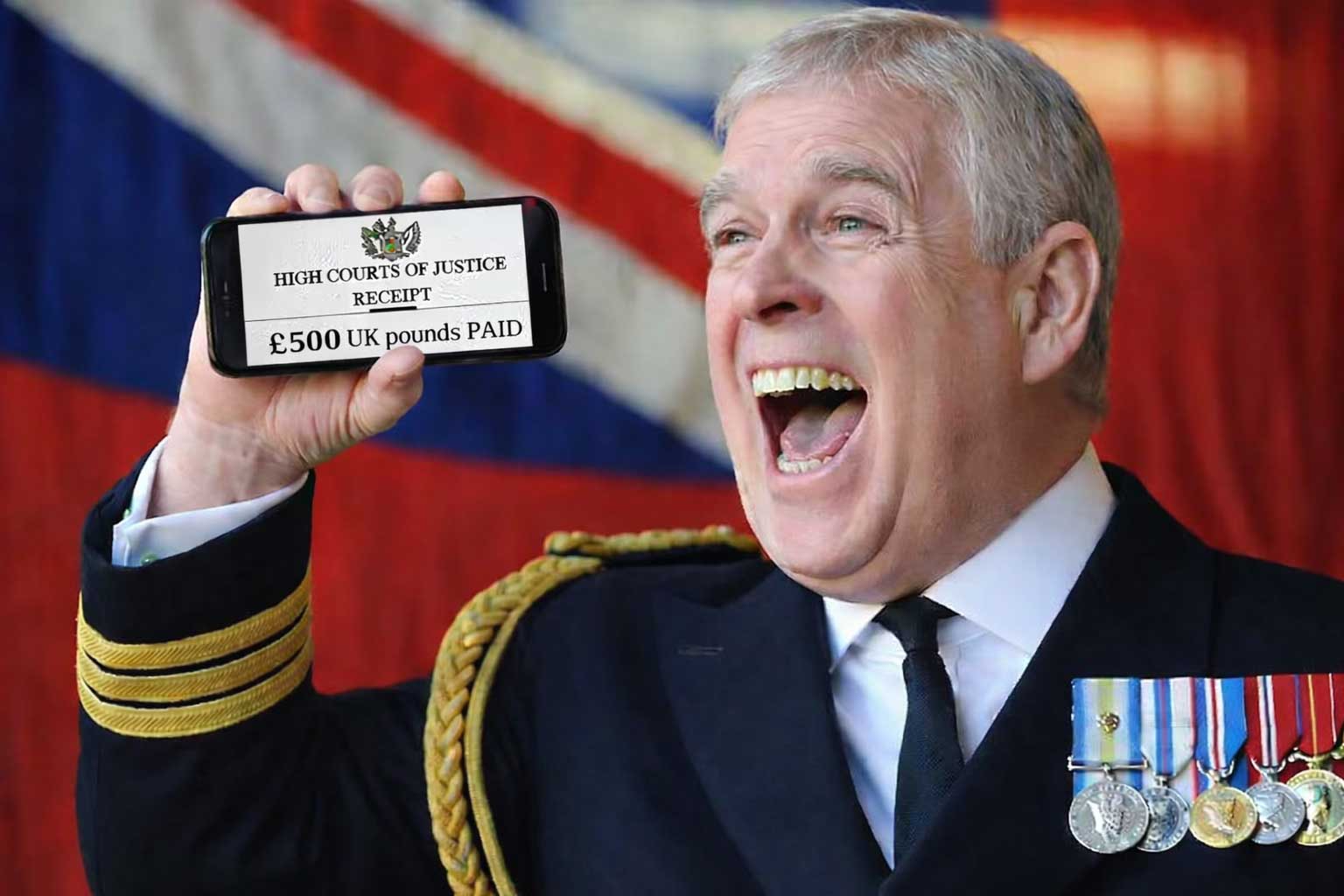
In a groundbreaking legal maneuver, Prince Andrew has entered the High Court as a litigant in person, challenging the narratives presented by Andrew Lownie’s biography and the BBC’s reporting. By paying a £500 filing fee, he has shifted the discussion from media speculation to legal proceedings, demanding accountability and transparency as he directly addresses unresolved allegations.