In brief
Philippine President Ferdinand Marcos has announced the country is under a state of national energy emergency due to escalating oil prices triggered by the Iran conflict. He pledged to procure additional oil supplies and assured continuous availability of fuel. Measures will be implemented to stabilize the energy sector and safeguard the economy amidst widespread public discontent over soaring fuel costs.
Philippine President Ferdinand Marcos announced a state of national energy emergency to tackle the crisis stemming from rising oil prices due to the ongoing war in Iran. In a televised address, he committed to securing new oil sources, stating that the government will procure an additional one million barrels to augment current supplies, adequate for 45 days.
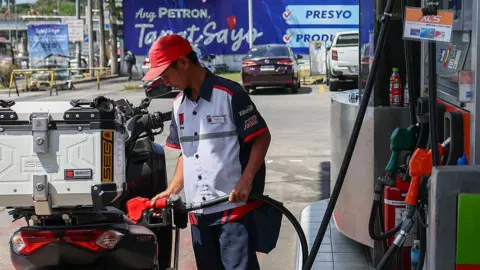
Marcos assured citizens, We will have a flow of oil. Not just one delivery, not two deliveries, but a flow of oil-related products. The Philippines, which imports 98% of its oil from the Gulf, is the first country to declare an energy emergency amid a rampant doubling of local diesel and petrol prices.
The geopolitical tensions have triggered significant shifts in global energy markets, leading to shortages and increasing costs. Marcos emphasized that the emergency declaration allows the government to impose necessary measures to ensure energy stability and protect the economy, saying, Nothing is off the table. We are looking at everything we can do, whatever suggestion, whatever idea.
The Philippine administration is collaborating with the U.S. to secure exemptions for importing oil from sanctioned countries, highlighting its close ties with Washington. A new committee will oversee the orderly distribution of fuel and essential goods, with the government granted the authority to directly purchase fuel to stabilize supplies.
As families struggle with soaring fuel costs, noted labor coalition Kilusang Mayo Uno criticized the government’s emergency declaration, labeling it as an admission of failure. They expressed concerns regarding potential anti-worker provisions in the executive order, fearing restrictions on strikes and collective action amid economic pressures.
In response to the rising costs, transport workers, including ride-hailing services, are planning a two-day strike, demanding fare increases, fuel tax scrapping, and better wages. The government has offered subsidies and implemented measures to mitigate the crisis, yet many express dissatisfaction with the timeliness and adequacy of these responses.