In brief
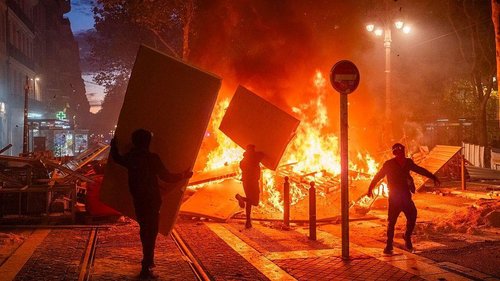
In the wake of a weekend of riots that saw storefronts set ablaze and the tragic loss of a protester’s hand, French police imposed curfews in central Paris and several other cities. The lockdown covers the Place de la République, Les Halles and neighbourhoods throughout Marseille, Bordeaux, Nice, Lyon, Lille and towns in the north. Authorities arrested more than 2,500 people and injured around 1,000 officers; a student demonstrator was hit by a crowd‑control grenade. Interior Minister Laurent Nuñez faced calls for resignation yet remained in office as Prime Minister Sébastien Lecornu pledged aid for damaged businesses and a special unemployment fund. The unrest, sparked by rising living costs and school conditions, now threatens to shape a volatile political climate ahead of France’s presidential elections.
French authorities imposed overnight curfews in parts of central Paris and other major cities after a week‑long string of riots, looting and violent clashes.
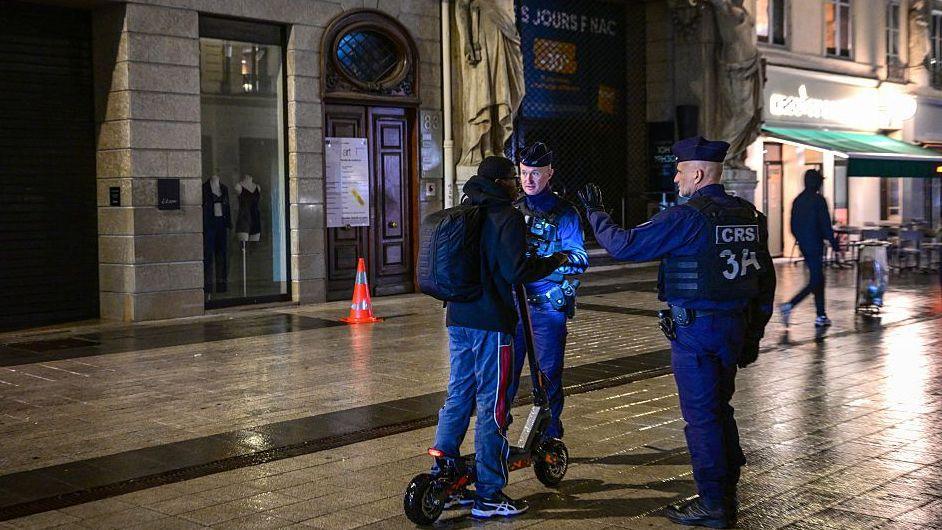
Police announced a curfew between 23:00 and 06:00 in Place de la République and the Les Halles shopping area, and banned unauthorised gatherings across the city centre. Similar restrictions were imposed in Marseille, Bordeaux, Nice, Lyon, Lille and several northern towns. The curfew means residents must remain indoors during the night and can only leave only for essential work.
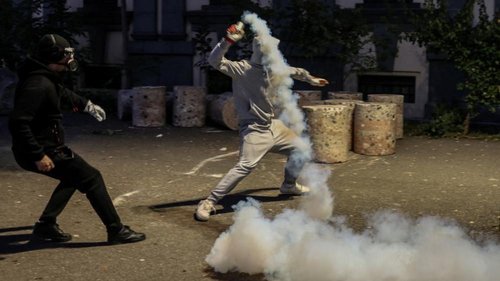
The violence drew more than 2,500 arrests, and officials reported around 1,000 police officers injured. A protester lost his hand when a crowd‑control grenade was fired, a tragedy highlighted by the AFP.
Interior Minister Laurent Nuñez, who has faced criticism over the government’s preparedness, admitted the police had “lost control” in some locations. He attempted to resign on Sunday but President Emmanuel Macron retained him, citing the need for continuity.
Prime Minister Sébastien Lecornu said local mayors would receive the power to enforce curfews where necessary, though he did not list specific cities. The government will also earmark funds to help businesses recover from the damage, with a special unemployment fund for workers affected by the unrest.
The protests began last month over student demands for better schools but have since broadened to include concerns over fuel prices, cost‑of‑living increases and deteriorating public services. Trade unions and other protest groups expanded the turnout this weekend, culminating in widespread looting and arson across French cities.
Local business owners lament high damage costs—estimates run into hundreds of millions of euros. Aid is being offered, but many fear the long‑term economic impact of the riots.