In brief
Researchers highlight the urgent need for enhanced safety measures in the booming plant trade as invasive species rise.
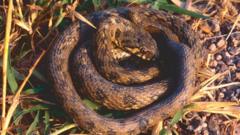
Concerns are growing over the unwanted transport of exotic creatures like frogs, lizards, and snakes hidden in potted plants and cut flowers, with scientists warning of their potential harmful impact on local ecosystems. A tree frog was unexpectedly found among roses in a Sheffield florist, while snakes were discovered nestled in ornamental olive trees shipped from continental Europe. According to experts from the University of Cambridge, these "hitchhiking intruders" symbolize a worrying trend fueled by the expanding global trade of flowers and plants. The situation is compounded by the rapid growth of the ornamental plant market, particularly in regions like East Africa and South America, which is outpacing current regulatory measures. Professor William Sutherland from the University of Cambridge emphasized that these visible stowaways are merely a fraction of the problem. "If adult snakes and lizards are getting through, think about the tiny insects and fungi that may also be slipping past undetected, which may pose more significant threats to our ecosystems," he stated. Despite existing customs checks, the sheer scale of plant shipments makes it difficult to intercept every harmful pest and disease. Dr. Silviu Petrovan outlined the challenge: “Even with rigorous efforts, unwanted stowaways routinely evade customs inspections.” Incidents across Europe have revealed various exotic species emerging from imported ornamental plants: geckos, frogs, toads, and numerous insect pests have all been identified as isolated but concerning instances of biosecurity failures. In their research published in the journal Bioscience, the Cambridge team examined customs records from the Netherlands between 2017 and 2018 and analyzed findings reported to the UK's Department for Environment, Food and Rural Affairs (DEFRA) from 2021-2023. They advocate for enhanced production standards and improved data sharing regarding the risks associated with international plant trade. As the ornamental plant market continues expanding, scientists stress the necessity for proactive measures to mitigate potential ecological hazards posed by these unplanned intruders.