In brief
Authorities in Ivory Coast have addressed public safety concerns over a vessel carrying ammonium nitrate in Abidjan's busy harbour, assuring residents that rigorous safety measures are in place.
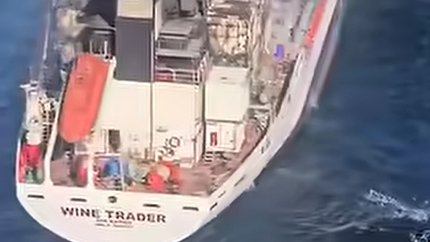
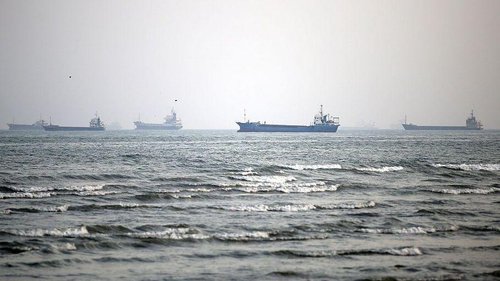
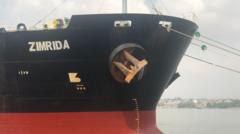
The Abidjan port director, Hien Yacouba Sie, has sought to alleviate worries surrounding a ship anchored with 20,000 tonnes of ammonium nitrate— the same substance responsible for a massive explosion in Beirut four years prior. While ammonium nitrate is primarily used as a fertiliser, it has explosive characteristics that have raised alarm among the local populace in a city of over six million.The cargo originated in Russia and, while part of it was disposed of into the sea off England last year due to fuel contamination, the remaining ammonium nitrate was transferred to the vessel named Zimrida, which docked in Ivory Coast eight days ago. Citing prior incidents and potential risks, port authorities decided to keep the vessel in the outer harbour for the time being.Ivorian officials reassured the public that the remaining cargo has undergone thorough safety checks. To foster transparency, they invited journalists, including those from the BBC, to inspect the Zimrida and witness the secured storage of the fertiliser.Despite visible precautions, fears linger among residents who recall an incident nearly two decades ago involving toxic waste disposal at the same port. In light of this, a local environmental NGO, Robin des Bois, raised alarms, deeming the entrance of hazardous materials into the port a potential peril.Nonetheless, the Ivorian government highlighted that the handling of ammonium nitrate is a routine procedure, stating that more than 40,000 tonnes were successfully offloaded at the same port in 2024 without serious issues. Of the current shipment, approximately 7,600 tonnes are earmarked for agricultural use domestically, while the remainder is set to continue to Luanda in Angola and Dar es Salaam in Tanzania following its departure from Ivory Coast. In summary, while safety measures have been confirmed, the situation continues to generate concern among local communities in Abidjan regarding the handling of potentially hazardous materials.