In brief
Six Flags Magic Mountain has closed its famed X2 rollercoaster, citing safety as the priority after reports of brain injuries among hundreds of riders. The park, located in Valencia, California, has reportedly conducted numerous safety tests yet decided to retire the ride to protect future guests. Law firms representing injured riders have called the move “too late,” noting that the closure offers no remedy to those already harmed. The X2, which opened in 2002 and was renamed in 2008, attracted over 16 million riders before its shutdown. Industry analysts warn that the incident could trigger wider regulatory scrutiny of amusement‑park ride safety.
By Sareen Habeshian, Los Angeles
Updated: Sep 29, 2026 22:33 UTC
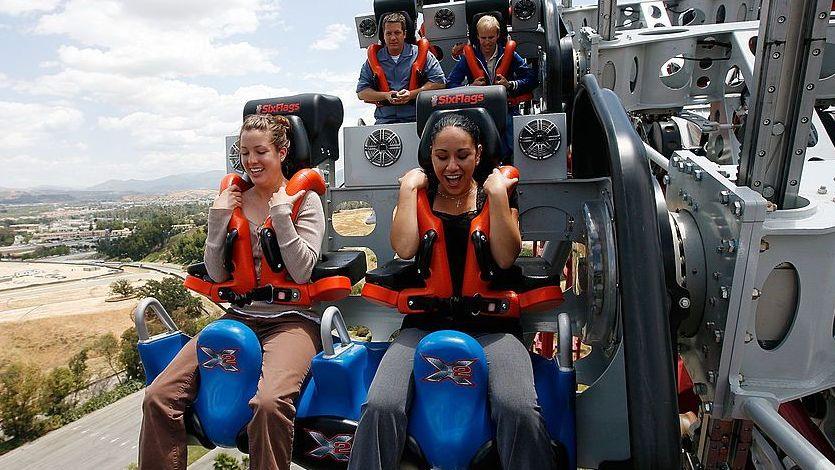
Six Flags Magic Mountain announced today that its most popular coaster, X2, will close permanently. The decision follows a wave of complaints from hundreds of riders who claim the ride caused brain injuries, and a series of civil suits that accuse the park of operating a dangerous attraction for almost two decades.
The park said the X2 underwent “a range of safety tests” before the closure. Nevertheless, Park President Brian Oerding said the retirement “was the right thing to do” after the public’s confidence was shaken. The ride, known for its vertical drop and 360‑degree spinning seats, was first launched in 2002 and reopened as X2 in 2008, drawing more than 16 million riders to date.
Dordick Law Corporation, which filed lawsuits against Six Flags, reports it has received complaints from hundreds of people who were injured on X2. The firm said, “They expected a thrill, but left with catastrophic brain injuries,” noting that some riders required emergency brain surgery.
While the legal action has prompted a halt to the ride, lawyers say the closure offers no compensation for those already harmed. Brent Wisner, attorney for the family of 22‑year‑old Christopher Hawley who died after riding X2 in 2022, stated, “The park’s decision does not change the fact that Christopher Hawley was killed by a ride that was allowed to operate for nearly twenty years.” He called for “proactive regulation and proper governmental oversight.”
The Hawley family settled a wrongful‑death claim with Six Flags in August, acknowledging the tragedy without admitting liability. Wisner’s comments come as legislators debate stricter safety standards for amusement‑park rides nationwide.
Six Flags stated that it is committed to “ride safety as a cornerstone of our business” and hopes any future replacement for X2 will meet rigorous safety criteria. Stakeholders watch closely as the industry re‑examines how to balance thrill with responsibility.