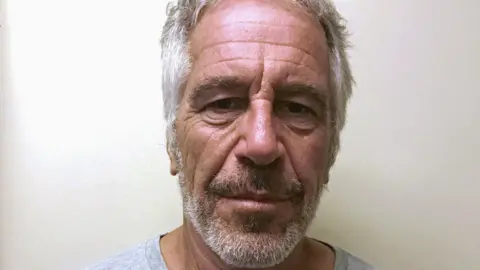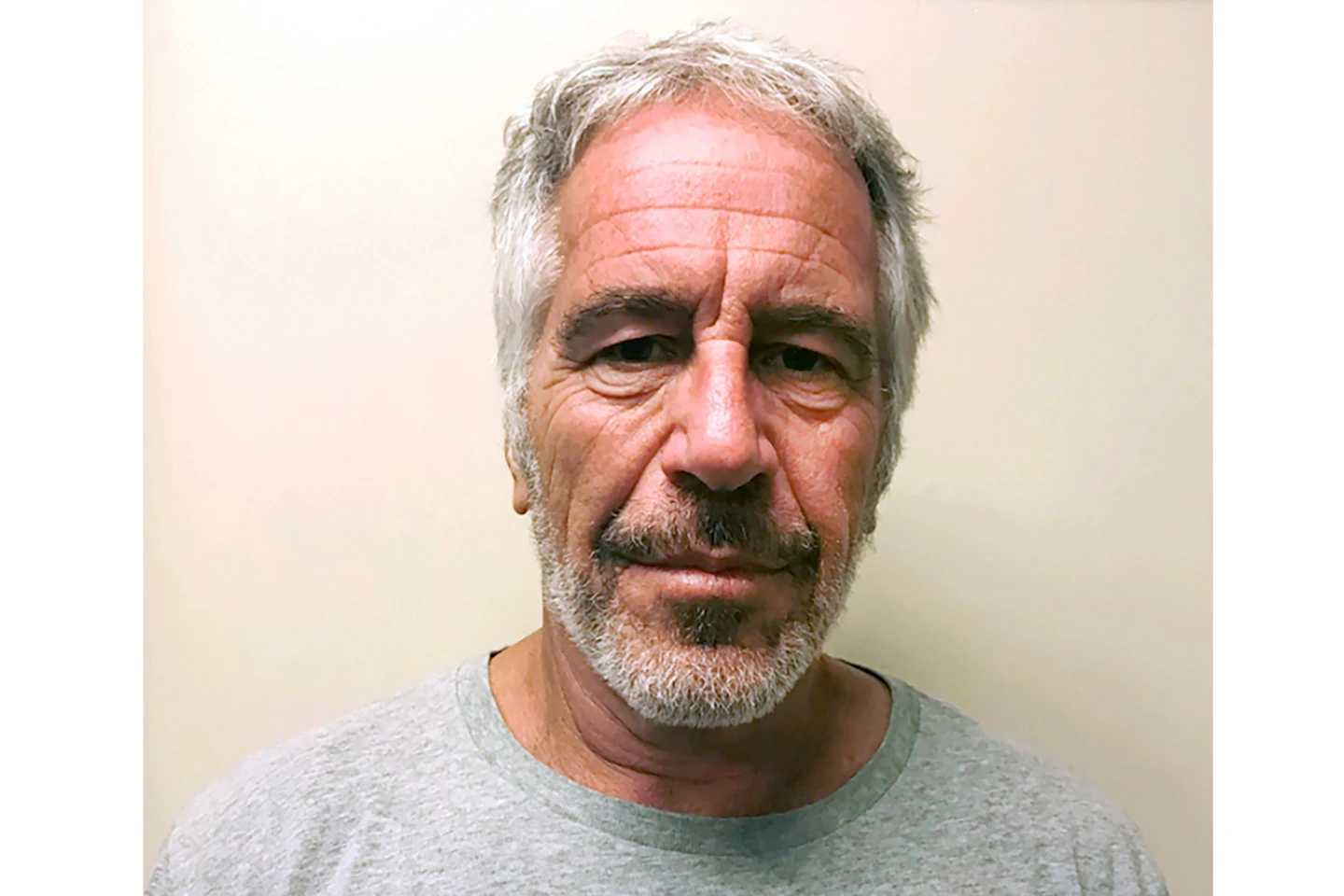
The release of thousands of pages of documents related to the late sex offender Jeffrey Epstein's abuse has left some who were anxiously awaiting the files disappointed. The documents' release was prompted by an act of Congress that directed the US Justice Department (DOJ) to make materials related to Epstein's crimes public. However, many documents are heavily redacted or have not been shared publicly at all.
Lawmakers who advocated for these documents to be released have described them as incomplete, claiming the Justice Department's efforts lack sincerity. Legal experts have raised concerns that the extent of redaction may only fuel ongoing conspiracy theories.
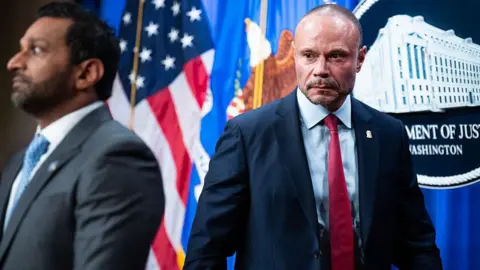
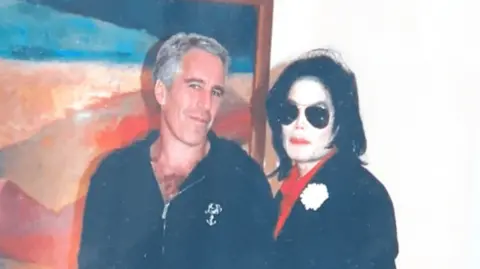
Deputy US Attorney Todd Blanche stated that the department identified over 1,200 Epstein victims or relatives, leading to the decision to withhold certain sensitive information. Among the latest released details are photographs of Epstein's social circle, including images featuring high-profile figures like Donald Trump and Bill Clinton, both of whom have consistently denied any wrongdoing in relation to Epstein.
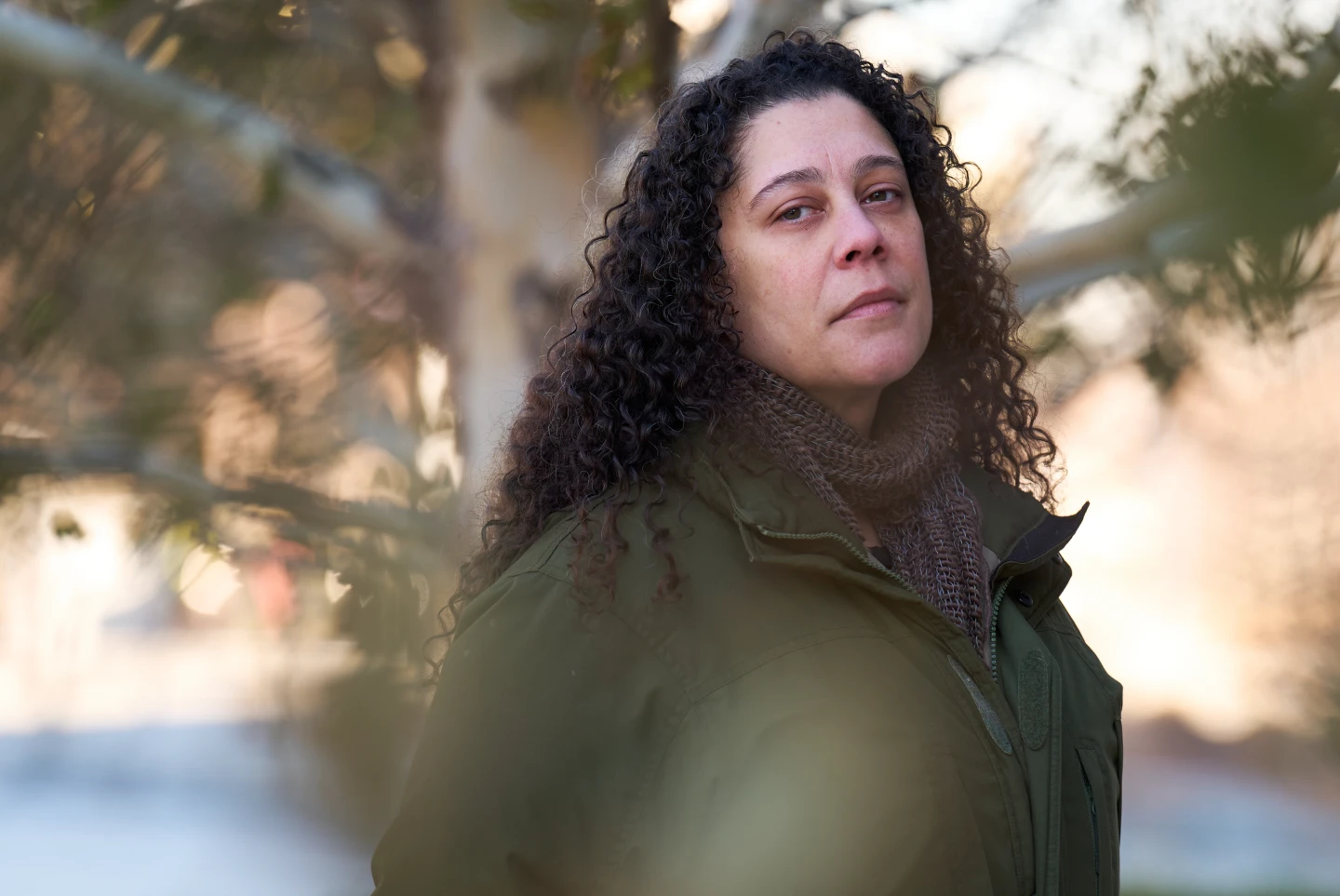
However, survivors like Liz Stein have voiced their discontent, arguing that the Justice Department is contravening the Epstein Files Transparency Act, which mandates the full disclosure of documents. Stein emphasized the urgency of making all evidence of Epstein's crimes public, while other survivors worry about a piecemeal release of information without proper context.
Congressman Ro Khanna, a key figure in pushing for the files' release, criticized the DOJ for its incomplete disclosures, considering potential punitive actions for their inaction. Redactions related to individuals not serving as victims have also generated debate, with critics arguing they restrict transparency.
The DOJ maintains that redactions are essential for victim protection and legal compliance. The ongoing tension highlights the challenges facing Epstein survivors who seek accountability and transparency in the aftermath of his abuses.
Lawmakers who advocated for these documents to be released have described them as incomplete, claiming the Justice Department's efforts lack sincerity. Legal experts have raised concerns that the extent of redaction may only fuel ongoing conspiracy theories.
Deputy US Attorney Todd Blanche stated that the department identified over 1,200 Epstein victims or relatives, leading to the decision to withhold certain sensitive information. Among the latest released details are photographs of Epstein's social circle, including images featuring high-profile figures like Donald Trump and Bill Clinton, both of whom have consistently denied any wrongdoing in relation to Epstein.
However, survivors like Liz Stein have voiced their discontent, arguing that the Justice Department is contravening the Epstein Files Transparency Act, which mandates the full disclosure of documents. Stein emphasized the urgency of making all evidence of Epstein's crimes public, while other survivors worry about a piecemeal release of information without proper context.
Congressman Ro Khanna, a key figure in pushing for the files' release, criticized the DOJ for its incomplete disclosures, considering potential punitive actions for their inaction. Redactions related to individuals not serving as victims have also generated debate, with critics arguing they restrict transparency.
The DOJ maintains that redactions are essential for victim protection and legal compliance. The ongoing tension highlights the challenges facing Epstein survivors who seek accountability and transparency in the aftermath of his abuses.