In brief
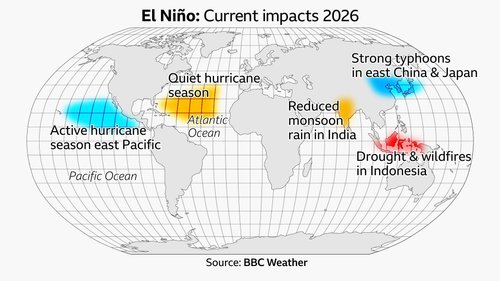
In Palangka Raya, the capital of Central Kalimantan, a dense orange haze has descended, blanketing the city and raising the Integrated State of Pollution Index to more than 1,200. This level is four times higher than the hazardous benchmark of 300 set by environmental authorities. The smog is a direct consequence of continued wildfires in the region, many of which are sparked by slash‑and‑burn agricultural methods. The air quality crisis is not isolated; it is affecting millions of people across Indonesia, Singapore and Malaysia, prompting urgent calls for stricter control of forest burning and better public health measures.
Palangka Raya, the capital city of Central Kalimantan, is wrapped in a thick orange smog that has sent alarm bells ringing across the region. The sudden plume, captured in videos shared by local residents, intensified as the air quality index skyrocketed to more than 1,200 – four times the hazardous limit of 300 set by Indonesia’s national environment ministry.
The haze is a visual and toxic reminder of the ongoing wildfires that have been ravaging the forested landscape of Kalimantan. Many of these blazes are launched by slash‑and‑burn techniques used by farmers to clear land, a practice that releases massive amounts of smoke and particulate matter into the atmosphere. Authorities warn that the chemical pollutants in the smog pose serious health risks, especially to children, the elderly and those with respiratory conditions.
The impact of the haze extends beyond Palangka Raya. Burdens on public health have been reported in neighboring countries, with Singapore and Malaysia also experiencing high pollution days. Government agencies are urging the public to keep windows shut, wear masks with proper filtration and to stay indoors whenever possible. Emergency services have tightened air‑quality monitoring across the island to provide real‑time data to residents.
In addition to local health advisories, environmental groups are calling for stronger enforcement of fire‑fighting regulations and greater investment in sustainable agricultural training. The current crisis has underscored the delicate balance between economic development and environmental stewardship in Indonesia’s biodiverse ecosystem.
The haze serves as a stark indicator of the broader climate challenges facing Southeast Asia. As satellite imagery and on‑ground reports continue to show, mitigating this crisis will require coordinated action across governments, industry and communities.