In brief
Nebraska rancher Yvette Mannon lost 1,600 acres to wildfire and must now re‑fence her property at a cost of almost £300,000, while diesel for daily hay‑delivery has spiked over 40% amid the Iran War. Trump’s 2026 decision to import 300,000 metric tons of duty‑free beef flooded a market already hurting from tariffs on steel, lumber and fertilizer, plunging cattle prices. Some farmers, such as Jake Wolfinger and Don Batie, feel betrayed by policies that directly cut into their margins, yet many still support Trump, hoping for relief measures to curb fuel costs. The upcoming mid‑terms will test whether agricultural frustrations will swing voters away from Trump‑backed candidates.
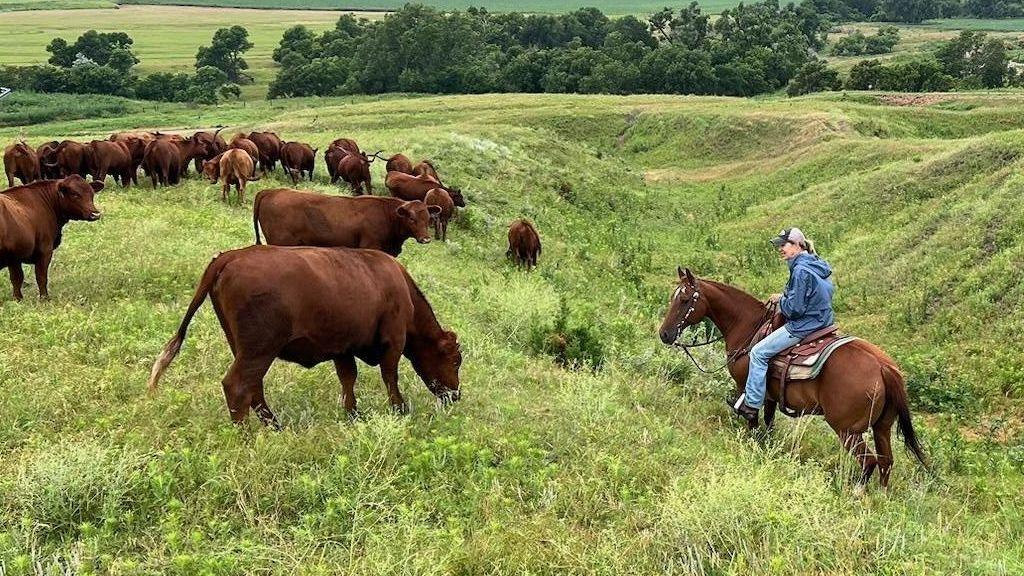
In the flat, wide‑open expanse of northern Nebraska, the 63‑year‑old Yvette Mannon faces a double blow: a wildfire in April destroyed 1,600 acres of grazing land and 13 miles of fence, while rising steel prices—inflated by the Trump‑era tariffs—mean she must spend nearly £300,000 replacing fence posts at £4.89 a foot.
The loss of pasture forces Mannon to haul hay into her herd daily, a task that has become even more expensive. Diesel, owned by a war‑driven price surge allied to the Iran conflict, is now more than 40% costlier than the previous year, straining her already tight budget.
The situation worsened in August when the Trump administration announced a duty‑free import of 300,000 metric tons of foreign beef. "It just felt like a betrayal," Mannon said, echoing the sentiment of many sector farmers who had voted for Trump hoping for a strong stand on America‑first trade policies.
So Many Conflicting Pressures
Other ranchers feel the costs multiplying. Jake Wolfinger, who runs a 5,500‑cattle feedlot and once sold cattle for $240 a hundredweight, now sees that figure drop to $225—losing hundreds of dollars per head. High diesel inflow, steel, lumber, and fertilizer costs press on každého farmer.
Although disillusioned over the crop of business‑centric policies, many supporters remain loyal. Wolfinger describes Trump as "a little shoot, fire, aim" but believes the president’s intent remains aimed at steering the nation right: “People need to stay the hell out of farmers’ business.”
At the same time, the political tide might note a shift. Democrats and independents such as Dan Osborn are gaining ground in Nebraska’s Senate race, with voters increasingly questioning whether Trump’s capitalist‑leaning yet interventionist actions truly serve their communities.
The agriculture sector stays as bellwether of larger political dissatisfaction. The rural vote—once a rock‑solid Trump base—now faces a dilemma: should a farmer vote for welfare? The answer may appear as the mid‑terms loom.
Yet Nebraska’s cattle barns and feedlots remain buzzing. The rhythm of letting a herd breathe new life, of buying and selling livestock at local auctions, continues unchanged, underscoring an industry that survives by adapting to a flurry of policy, market, and geopolitical tempests. The story of Yvette Mannon's ranch, the resale of cattle, and her resilient outlook is a microcosm of agricultural perseverance in uncertain times.