In a dramatic escalation of tensions, President Trump launched a scathing criticism at both Iran and Israel on Tuesday after both countries launched attacks shortly after a ceasefire was announced. The situation underlines the fragility of the truce that aims to end 12 days of intense conflict. Trump expressed his dissatisfaction with Israel's immediate military actions post-agreement while asserting that both parties are guilty of hostilities.
The ceasefire announcement was made by Trump on Monday night, shocking officials in Washington, as ROI turned to hostilities almost immediately. The Iranian military reportedly denied any attacks after the ceasefire was activated while Israel claimed that Iranian missile fire attempted to target its territory. Benjamin Netanyahu's office reported a limited Israeli response, suggesting that both nations were seeking to maintain the delicate peace despite mutual accusations of violations.
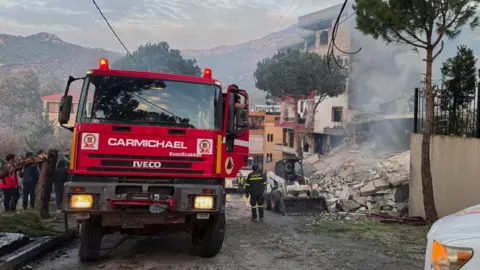
Witnesses from both sides reported heavy bombardment, with residential areas in cities like Beersheba suffering casualties—including fatalities—due to missile strikes. Amid this, global leaders expressed cautious optimism regarding the ceasefire declaration, urging adherence to the terms and pressing for de-escalation.
Meanwhile, market reactions demonstrate a complicated landscape, with stocks in South Korean markets surging following the ceasefire alongside a drop in oil prices. Qatar played a crucial role in facilitating the contentious negotiations leading to this fragile agreement, while the repercussions of military engagements continue to unfold.
As the truce attempts to take hold, the international community remains watchful, recognizing that both parties may continue to test the limits of the ceasefire, as tensions simmer beneath the surface.
With a follow-up from Trump, who is now en route to a NATO summit, the real test of this ceasefire remains to be seen, as both sides navigate a complex geopolitical landscape in pursuit of stability.
The ceasefire announcement was made by Trump on Monday night, shocking officials in Washington, as ROI turned to hostilities almost immediately. The Iranian military reportedly denied any attacks after the ceasefire was activated while Israel claimed that Iranian missile fire attempted to target its territory. Benjamin Netanyahu's office reported a limited Israeli response, suggesting that both nations were seeking to maintain the delicate peace despite mutual accusations of violations.
Witnesses from both sides reported heavy bombardment, with residential areas in cities like Beersheba suffering casualties—including fatalities—due to missile strikes. Amid this, global leaders expressed cautious optimism regarding the ceasefire declaration, urging adherence to the terms and pressing for de-escalation.
Meanwhile, market reactions demonstrate a complicated landscape, with stocks in South Korean markets surging following the ceasefire alongside a drop in oil prices. Qatar played a crucial role in facilitating the contentious negotiations leading to this fragile agreement, while the repercussions of military engagements continue to unfold.
As the truce attempts to take hold, the international community remains watchful, recognizing that both parties may continue to test the limits of the ceasefire, as tensions simmer beneath the surface.
With a follow-up from Trump, who is now en route to a NATO summit, the real test of this ceasefire remains to be seen, as both sides navigate a complex geopolitical landscape in pursuit of stability.