
In brief
Over three decades, homemade bombs have injured or killed at least 565 children in West Bengal, as political parties use crude explosives to intimidate and control. These chilling devices have turned childhood play into a deadly gamble.
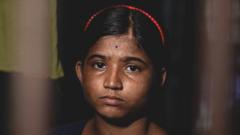
As bright summer mornings unfold in West Bengal, the laughter of children echoes through the streets. However, beneath this façade lies a grim reality where violence intertwines with childhood, particularly during election seasons. BBC Eye’s investigation has unearthed the troubling frequency of bomb-related injuries and fatalities among the youth, attributed to the ongoing legacy of political turmoil in the region.An instance dating back to May 1996 starkly illustrates this issue. A group of boys from a Kolkata slum ventured out to play cricket, unknowingly seeking a ball that would end in tragedy. Instead of a harmless sphere, Puchu Sardar and his friends discovered a bag containing homemade bombs disguised as toys. Their innocent game culminated in a harrowing explosion, leaving children injured and claiming the lives of two boys.This tragic narrative reflects a chronic problem in West Bengal, where at least 565 children have fallen victim to bomb violence since 1996—avg. one every 18 days. A significant number of these casualties have resulted from children playing in areas where such bombs are frequently abandoned.The roots of bomb-making in West Bengal trace back to anti-colonial efforts in the early 1900s. Political factions throughout the post-independence era have perpetuated this violence by using crude bombs as tools of political dominance. Today, crude bombs—which locals refer to as peto—are constructed from jute, nails, and shattered glass, often employed as tactics during intense electoral battles. Stories of children like Poulami Halder and Sabina Khatun reveal the harrowing consequences of such violence. Poulami, who mistook a bomb for a ball, endured life-altering injuries, losing her hand. Sabina suffered similarly and now faces daily struggles as her community grapples with the fallout from the violence.Despite protestations from political parties regarding their non-involvement with bomb-making, experts assert that the culture of violence is deeply embedded in the electoral processes. Families continue to grieve, haunted by losses that reflect a societal negligence toward the safety of children.As the pain and trauma of these events linger, questions arise. When will the cycle of violence end? More importantly, the echo of childhood laughter remains overshadowed by the silent cries for justice amid the chaos of political ambition. It is a tragedy that seems bound to repeat itself as craven ambitions prevail.

