In brief
Marking a significant shift in beauty standards, the Miss Ivory Coast pageant has mandated that contestants present themselves without wigs or artificial extensions, promoting a natural appearance and generating discussions about what beauty truly means.
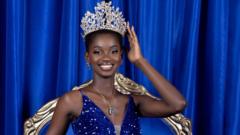
Long, flowing wigs and elaborate weaves have defined the landscape of beauty pageants in Ivory Coast for decades. Contestants traditionally invest heavily in their appearances, often favoring a polished, artificial look. However, the recent victory of Marlène-Kany Kouassi, crowned Miss Ivory Coast 2022, has illuminated the potential of embracing natural hair, illustrating a departure from the norm within this highly structured competition.In a groundbreaking move, organizers of the Miss Ivory Coast pageant have initiated a ban on wigs and hair extensions during preliminary rounds held across the country and for Ivorian contestants abroad. Victor Yapobi, president of the organizing committee, affirmed, “We want the candidates to be natural... Beauty must be raw.” This initiative positions Ivory Coast uniquely as the only African nation adopting such rules in a national beauty contest.In addition to the hair regulations, the pageant has updated its criteria, allowing shorter women to enter, increasing the age limit to 28, and reducing the entrance fee significantly. The aim is to facilitate participation, addressing the financial burdens placed on aspiring contestants.Amid these changes, opinions among competitors are mixed. Some, like 21-year-old Emmanuella Dali, express joy at the prospect of showcasing their natural beauty, while others, such as aspiring make-up artist Astrid Menekou, voice concerns over the loss of personal expression tied to wig styling.The new rules have sparked a lively discussion on the definition of beauty within Ivorian culture. While many appreciate the emphasis on authenticity, the vibrant wig industry is likely to feel the financial repercussions. With an annual worth exceeding $300 million, the hair market relies heavily on wigs and weaves.Beauty influencers and natural hair advocates have gained traction on social media, reflecting a growing acceptance of natural textures despite the entrenched beauty standards that previously dictated hairstyle choices in professional and public domains.Florence Edwige Nanga, a trichologist, warns about the health risks associated with heavy wig usage but acknowledges that natural styles are still underrepresented in media and corporate environments in Ivory Coast.With the early rounds of the pageant already generating conversation, the question remains whether these changes will transcend the competition and influence beauty norms in wider contexts. As the finals approach in June 2025, Yapobi has indicated that there are no definitive plans concerning the wig ban's future implementation for final contestants, suggesting that the evolution of beauty standards may continue.For contestants like Doria Koré, who held the crown of Miss Haut-Sassandra, winning with natural hair symbolizes a victory for authentic African beauty. Others, like Dali, find newfound confidence and pride in their identity, stating, “I didn't win, but I feel proud. This is who I am.”