In brief
A growing number of social media influencers are marketing dubious treatments for polycystic ovary syndrome (PCOS), leaving women like Sophie disillusioned and financially impacted while perpetuating harmful misinformation about the condition.
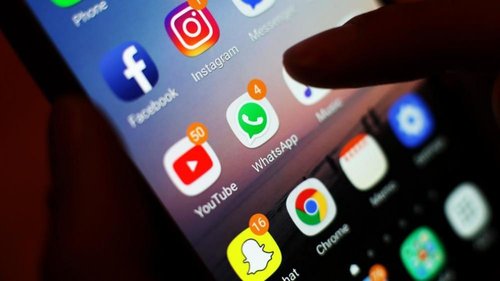
In the age of social media, influencers are increasingly positioning themselves as health experts, specifically targeting women suffering from polycystic ovary syndrome (PCOS). Many of these influencers, such as Kourtney Simmang, sell unverified tests and costly supplement regimens, promising to tackle the "root cause" of the condition. Sophie, who has battled PCOS for 12 years, fell prey to Kourtney’s online presence, spending nearly $4,000 in hopes of relief, only to find no improvement after nearly a year.Experts, like Dr. Jen Gunter, highlight the risks, noting that such influencers often lack the necessary qualifications to provide medical guidance and propagate misleading claims. A significant percentage of content related to PCOS across platforms like TikTok and Instagram has been flagged for spreading false information, contributing further to the misinformation crisis surrounding the syndrome.PCOS is characterized by hormonal imbalances, affecting approximately 8-13% of women. Symptoms often include irregular periods, significant weight gain, and increased hair growth, making effective medical support crucial. The WHO notes a staggering 70% of women with PCOS worldwide remain undiagnosed, indicating an urgent need for reliable treatments. A case in point is Tallene Hacatoryan, a millionaire influencer promoting unapproved supplements to her vast audience. Several individuals, like Amy from Northern Ireland, turned to influencers seeking help but found themselves worse off—physically and emotionally. Tallene discourages conventional medications, pushing unsound dietary practices instead. Women like Medlyn, a medical student in Nigeria, advocate for the validity of professional medical advice, emphasizing the stigma surrounding PCOS and the importance of proper treatment. The ongoing struggle for accessible and accurate medical options puts these women at greater risk of misinformation, which can ultimately lead to more severe health issues, including type 2 diabetes.As the medical community continues to grapple with the implications of social media on health misconceptions, experts urge women experiencing PCOS symptoms to seek out qualified specialists for support rather than relying on potentially harmful advice found online. Meanwhile, Sophie and others affected by similar scams are left navigating the confusing landscape of health misinformation, still searching for viable treatments that can help them reclaim their well-being.