In brief
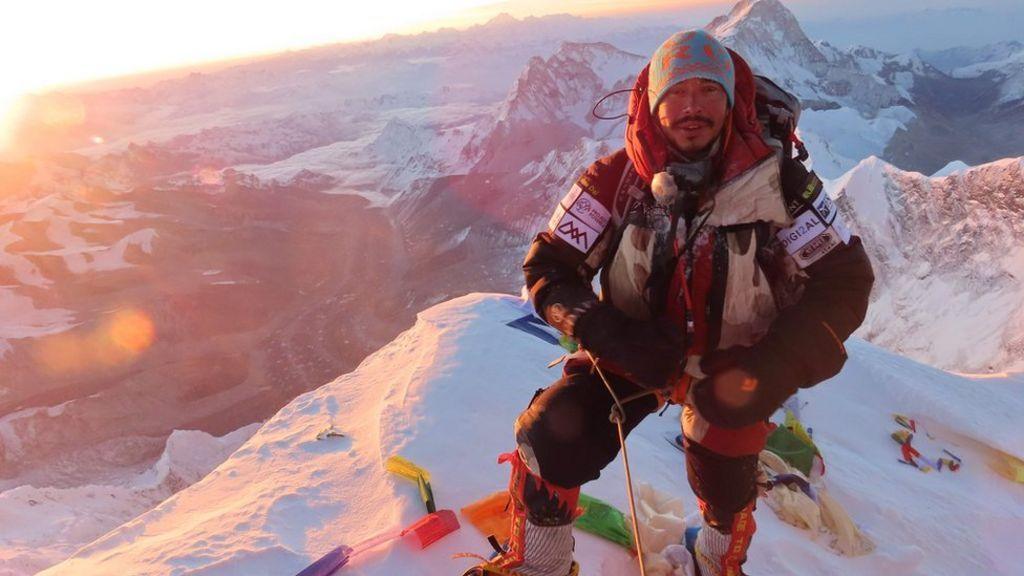
Renowned mountaineer Nirmal Purja tragically lost his life in an avalanche on Pakistan’s Broad Peak, one of the world’s 8,000‑meter peaks. Elite Expeditions confirmed his death, and the bodies of three climbers from the same expedition were recovered. Nepal’s Prime Minister and UK Defence Secretary issued statements in mourning, highlighting Purja’s record‑breaking ascent of the world’s fourteen 8,000‑meter peaks. The Alpine Club of Pakistan is still searching for the victims, with hopes of retrieving more bodies.
Renowned British‑Nephali climber Nirmal Purja, 43, was killed in an avalanche on the 8,047‑metre (26,400‑ft) peak that forms part of the Karakoram range. Elite Expeditions confirmed the tragedy, stating it caused “profound sadness and immense heartbreak” as nine other climbers were found dead.
The expedition suffered the worst death toll on the mountain, which has claimed dozens of lives since its first successful ascent in 1957. Bodies of three members – American Mallory Geis, Omani Nadhira Ahmed Abdullah Al Harthy, and Nepali Pur Bahadur Gurung – were among those recovered by Pakistani officials.
Prime Minister Balendra Shah of Nepal conveyed shock at the loss, comparing the climbers to “courage, dedication and contributors” who had “inspired us all.” His remarks also extended condolences to Purja’s family and the entire mountaineering community.
Legacy
Purja first captured global attention when he summited all fourteen 8,000‑meter peaks in 189 days in 2019, surpassing the previous record by more than seven years. A former British Army soldier with ten years in special forces, he was awarded an MBE in 2018 for his high‑altitude achievements and later appeared in the 2021 Netflix documentary “14 Peaks: Nothing Is Impossible.”
He had been intending to only climb Gasherbrum II before adding Broad Peak to the itinerary, hoping to be the first to scale all fourteen 8,000‑ers twice without supplemental oxygen. The climb was unplanned; he described the decision as an opportunity that “whispers to those already working in silence.”
UK Defence Secretary Wes Streeting lamented his passing, calling him an inspirational figure who served in the armed forces for over a decade.
The Alpine Club of Pakistan, spearheading rescue efforts, has announced that information will be released only when bodies are recovered, reflecting the harsh reality of the region’s high‑altitude expeditions.
The tall, treacherous Broad Peak, first climbed in 1957, remains notorious for its difficulty and deadly history, with at least six fatalities recorded in 2013 alone. The international climbing community mourns the loss of Purja and his colleagues, whose daring feats spanned across nations and continents.