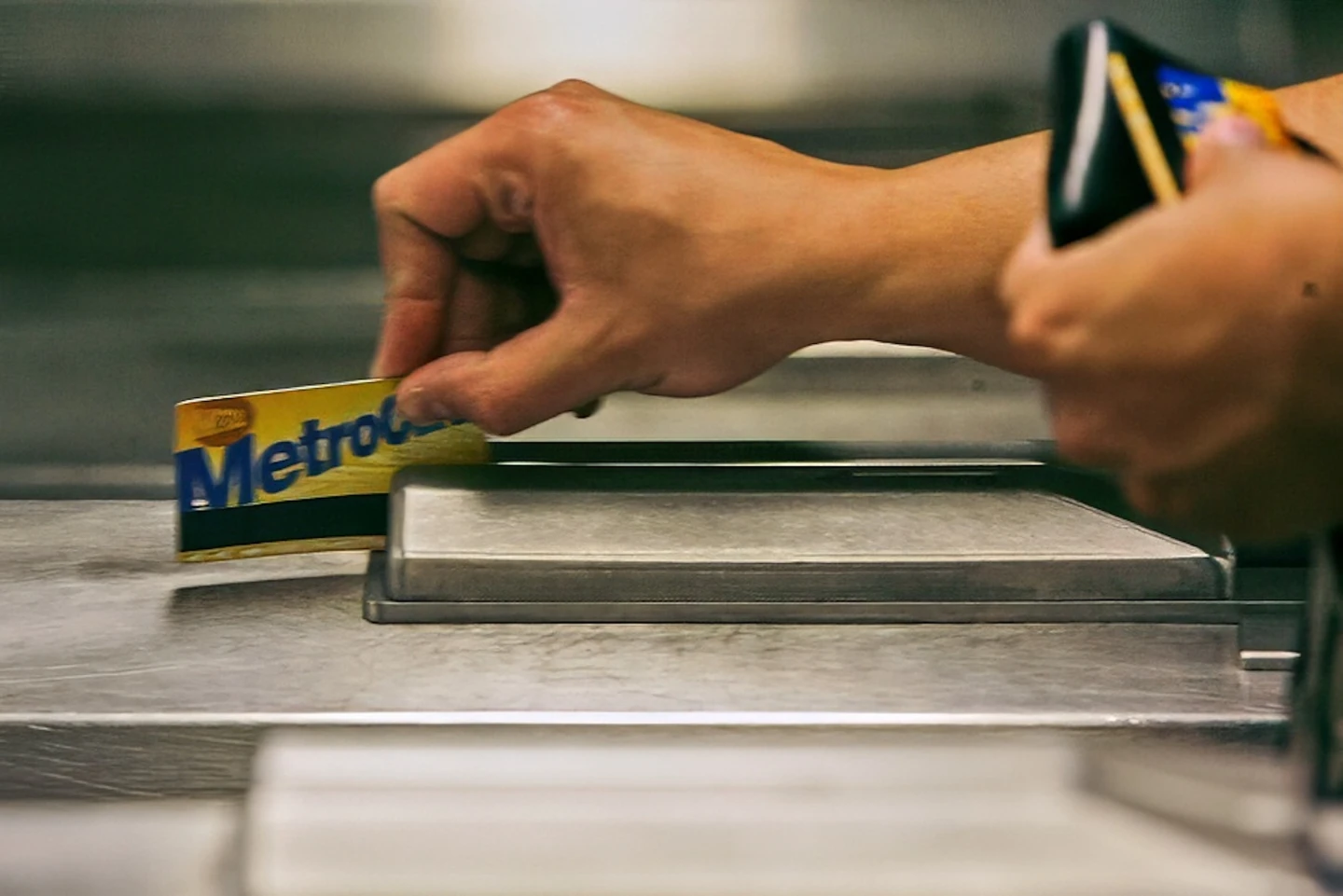
NEW YORK (AP) — The iconic MetroCard, which replaced subway tokens in 1994, is now on its way to retirement, with the final purchase date set for December 31, 2025. In its stead, the Metropolitan Transportation Authority (MTA) is transitioning fully to OMNY, a modern, contactless payment system that enables passengers to tap their credit card, smartphone, or other smart devices to pay for rides.
Over 90% of subway and bus fares are now processed through this innovative system, which was introduced in 2019 and has become increasingly popular as major cities globally adopt similar contactless payment solutions. Cities like London and Singapore have successfully utilized these systems for years, and U.S. cities like San Francisco and Chicago are catching up.
The MetroCard's legacy will be celebrated in an exhibit at the New York Transit Museum, with curator Jodi Shapiro noting how it revolutionized transportation in the city. Before MetroCards, riders relied on tokens — brass coins introduced in 1953. While the MetroCard too faced initial resistance, it ultimately became a cultural icon, celebrated through special editions and featured by various artists.
As the MTA moves forward, the OMNY system promises cost savings and added capabilities, such as unlimited free rides after 12 trips in a week. However, concerns persist regarding data collection practices associated with the new contactless technology.
As some longtime riders express sadness over the MetroCard's legacy and fears about the change, the MTA is committed to ensuring a smooth transition while maintaining accessibility for all riders, including the elderly. Despite obstacles, many users are hopeful that with time, the new system will help streamline their commuting experience.
Over 90% of subway and bus fares are now processed through this innovative system, which was introduced in 2019 and has become increasingly popular as major cities globally adopt similar contactless payment solutions. Cities like London and Singapore have successfully utilized these systems for years, and U.S. cities like San Francisco and Chicago are catching up.
The MetroCard's legacy will be celebrated in an exhibit at the New York Transit Museum, with curator Jodi Shapiro noting how it revolutionized transportation in the city. Before MetroCards, riders relied on tokens — brass coins introduced in 1953. While the MetroCard too faced initial resistance, it ultimately became a cultural icon, celebrated through special editions and featured by various artists.
As the MTA moves forward, the OMNY system promises cost savings and added capabilities, such as unlimited free rides after 12 trips in a week. However, concerns persist regarding data collection practices associated with the new contactless technology.
As some longtime riders express sadness over the MetroCard's legacy and fears about the change, the MTA is committed to ensuring a smooth transition while maintaining accessibility for all riders, including the elderly. Despite obstacles, many users are hopeful that with time, the new system will help streamline their commuting experience.