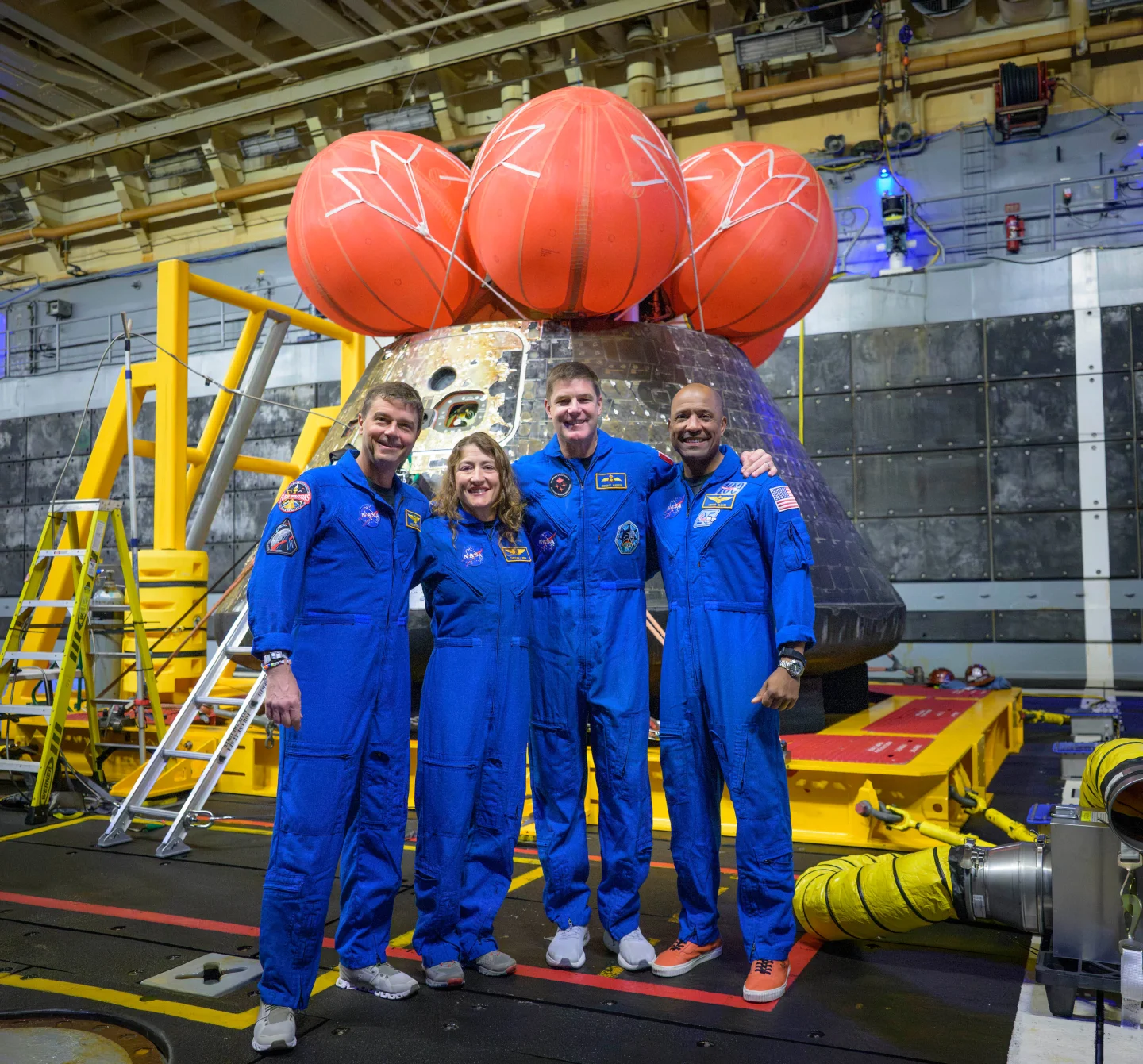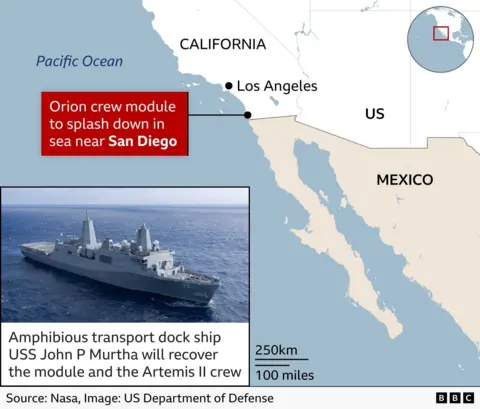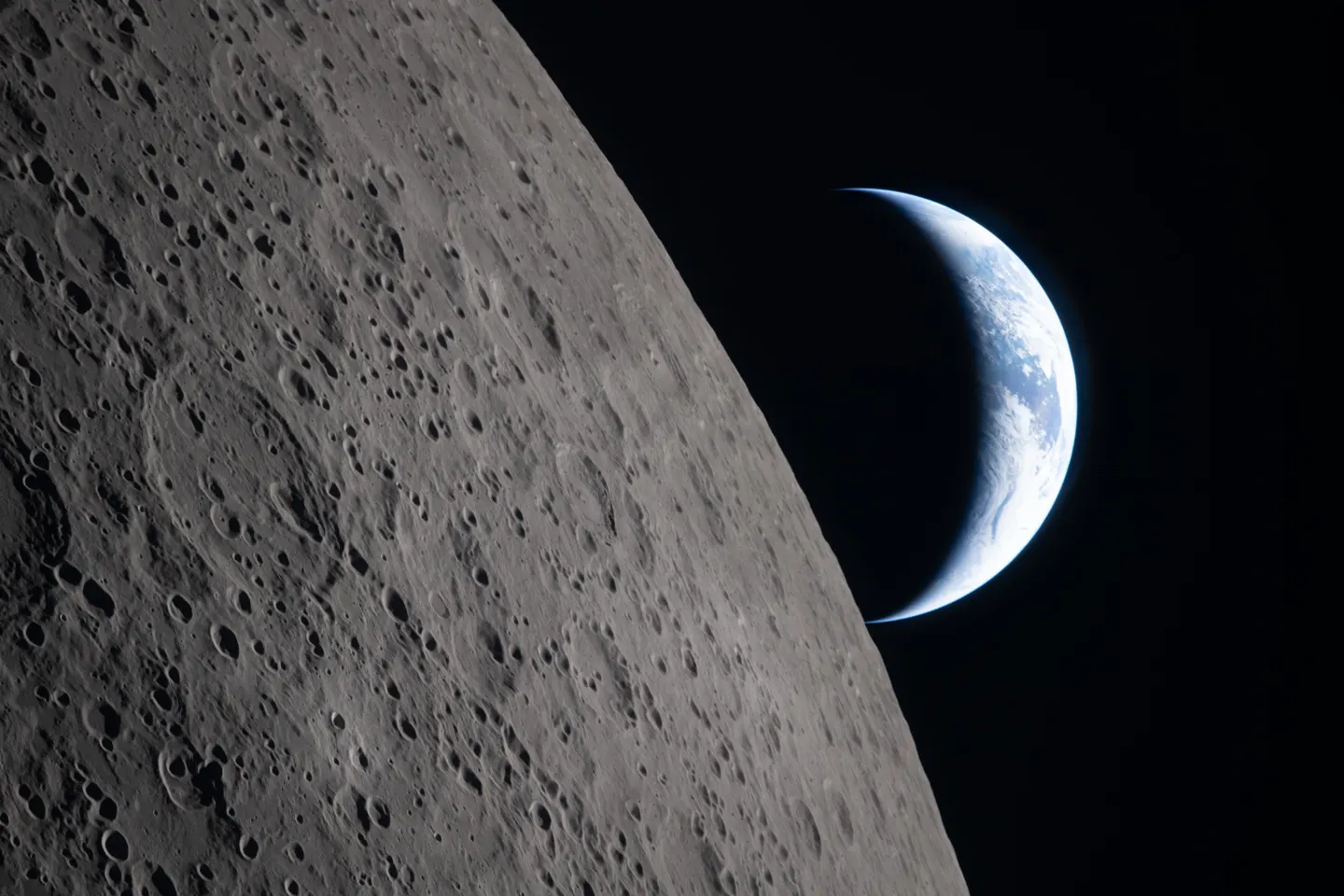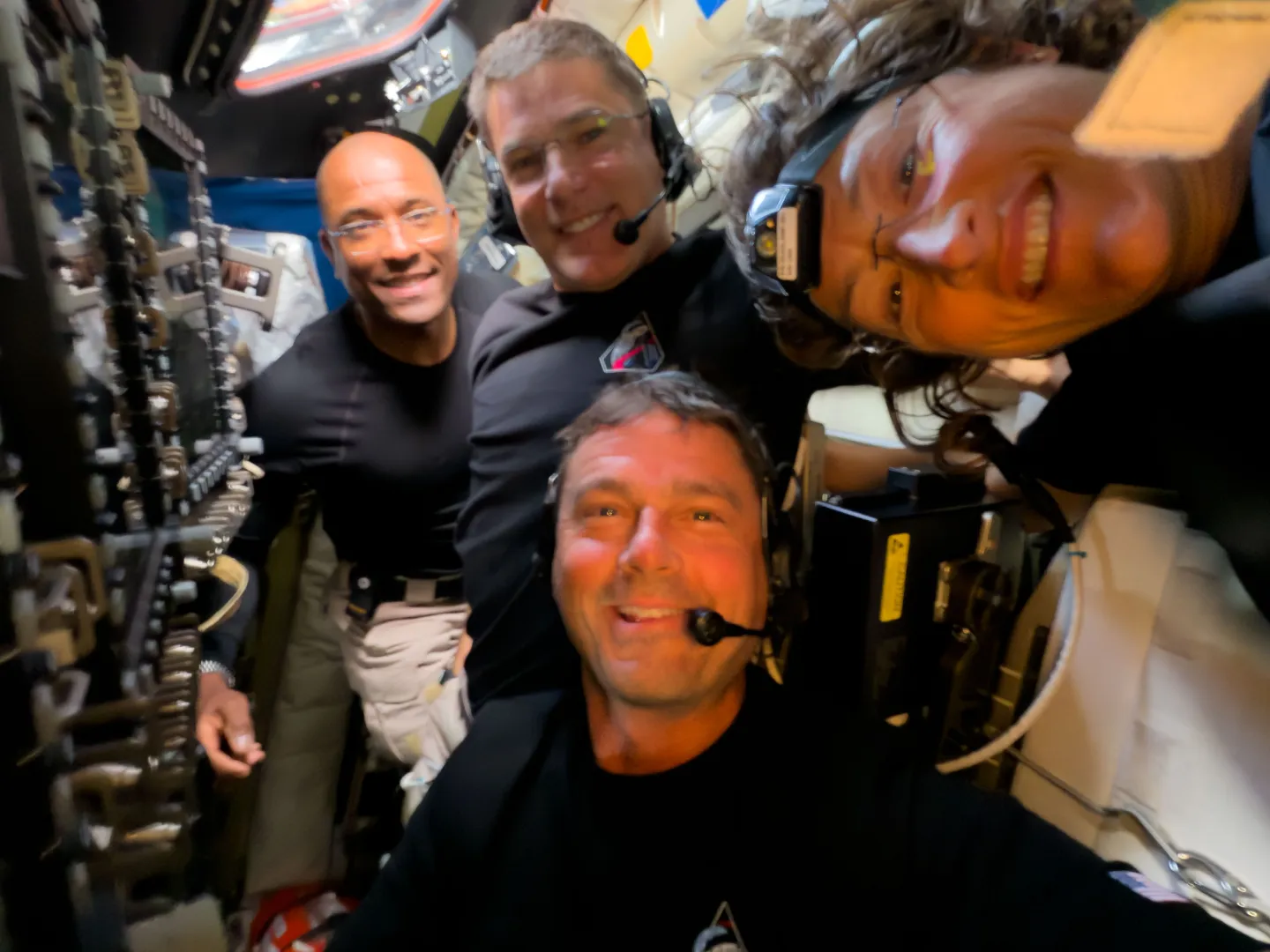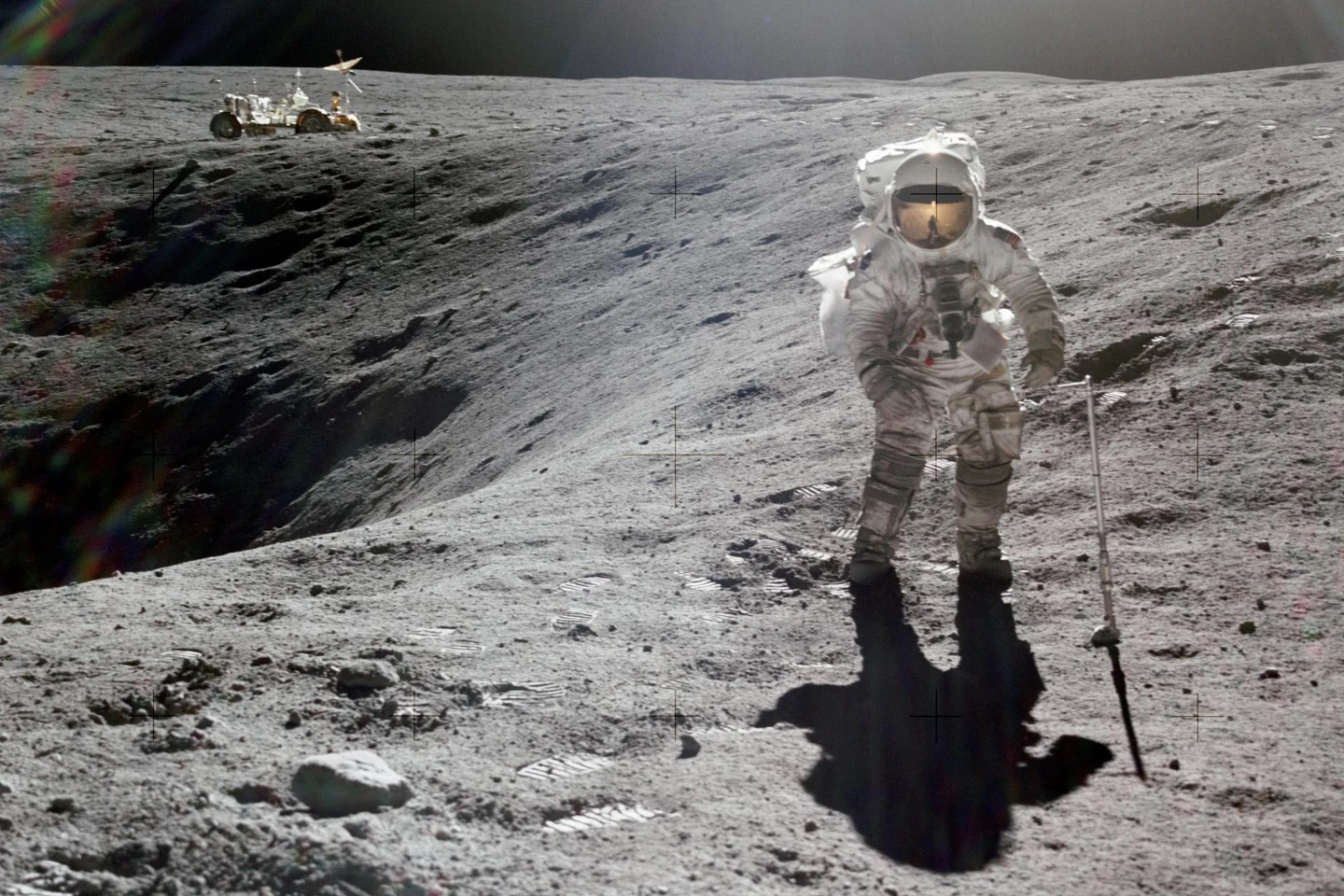
CAPE CANAVERAL, Fla. — The dedicated engineers and astronauts who worked tirelessly to put humans on the moon during the Apollo missions are witnessing NASA's plans for a return to lunar soil with mixed feelings. The impending Artemis II mission, set for launch as soon as April 1, aims to take four astronauts around the moon, but many veterans are disappointed that their time has nearly passed, leaving only a few of them to witness this historic endeavor.
Now in their 80s and 90s, these survivors of NASA's legacy express their hopes for a renewed passion for lunar exploration. Charlie Mars, 90, credits the original Apollo missions for their unique energy and passion, which he feels is lacking in today's space race.
Retired engineer JoAnn Morgan, a pioneer in the Apollo program, laments that even after more than five decades, she still feels cheated that the final Apollo missions were canceled due to budget cuts. I’m just trying to stay alive so I can see us actually get back and step foot on the moon, Morgan stated, reflecting the sentiments of many aging Apollo veterans.
This time around, women play key roles within NASA, with Charlie Blackwell-Thompson serving as the Artemis launch director and Christina Koch set to be part of the Artemis II crew. Morgan hopes to see a woman set foot on the moon, a historic milestone that would mark significant progress in gender representation in space.
The urgency to launch Artemis expeditions has grown, particularly as the U.S. strives to beat China in lunar exploration projects. NASA's newly appointed administrator, Jared Isaacman, is accelerating the timetable for Artemis flights to match the pace and safety records of the Apollo program. He aims to implement a series of test flights, enhancing preparation for upcoming landings on the moon.
Though the veterans wistfully recall the bustling energy of the original moon landings, they remain hopeful that the excitement of space exploration can be reignited among younger generations. Apollo 16 astronaut Charlie Duke believes that once Artemis lands astronauts on the moon again, the thrill will captivate millions who missed the original glory days.
As these Trailblazers of the past look forward to NASA's future, their unwavering passion for space remains apparent, bridging the aspirations of the Apollo era with the ambitious excitement of Artemis.
Now in their 80s and 90s, these survivors of NASA's legacy express their hopes for a renewed passion for lunar exploration. Charlie Mars, 90, credits the original Apollo missions for their unique energy and passion, which he feels is lacking in today's space race.
Retired engineer JoAnn Morgan, a pioneer in the Apollo program, laments that even after more than five decades, she still feels cheated that the final Apollo missions were canceled due to budget cuts. I’m just trying to stay alive so I can see us actually get back and step foot on the moon, Morgan stated, reflecting the sentiments of many aging Apollo veterans.
This time around, women play key roles within NASA, with Charlie Blackwell-Thompson serving as the Artemis launch director and Christina Koch set to be part of the Artemis II crew. Morgan hopes to see a woman set foot on the moon, a historic milestone that would mark significant progress in gender representation in space.
The urgency to launch Artemis expeditions has grown, particularly as the U.S. strives to beat China in lunar exploration projects. NASA's newly appointed administrator, Jared Isaacman, is accelerating the timetable for Artemis flights to match the pace and safety records of the Apollo program. He aims to implement a series of test flights, enhancing preparation for upcoming landings on the moon.
Though the veterans wistfully recall the bustling energy of the original moon landings, they remain hopeful that the excitement of space exploration can be reignited among younger generations. Apollo 16 astronaut Charlie Duke believes that once Artemis lands astronauts on the moon again, the thrill will captivate millions who missed the original glory days.
As these Trailblazers of the past look forward to NASA's future, their unwavering passion for space remains apparent, bridging the aspirations of the Apollo era with the ambitious excitement of Artemis.