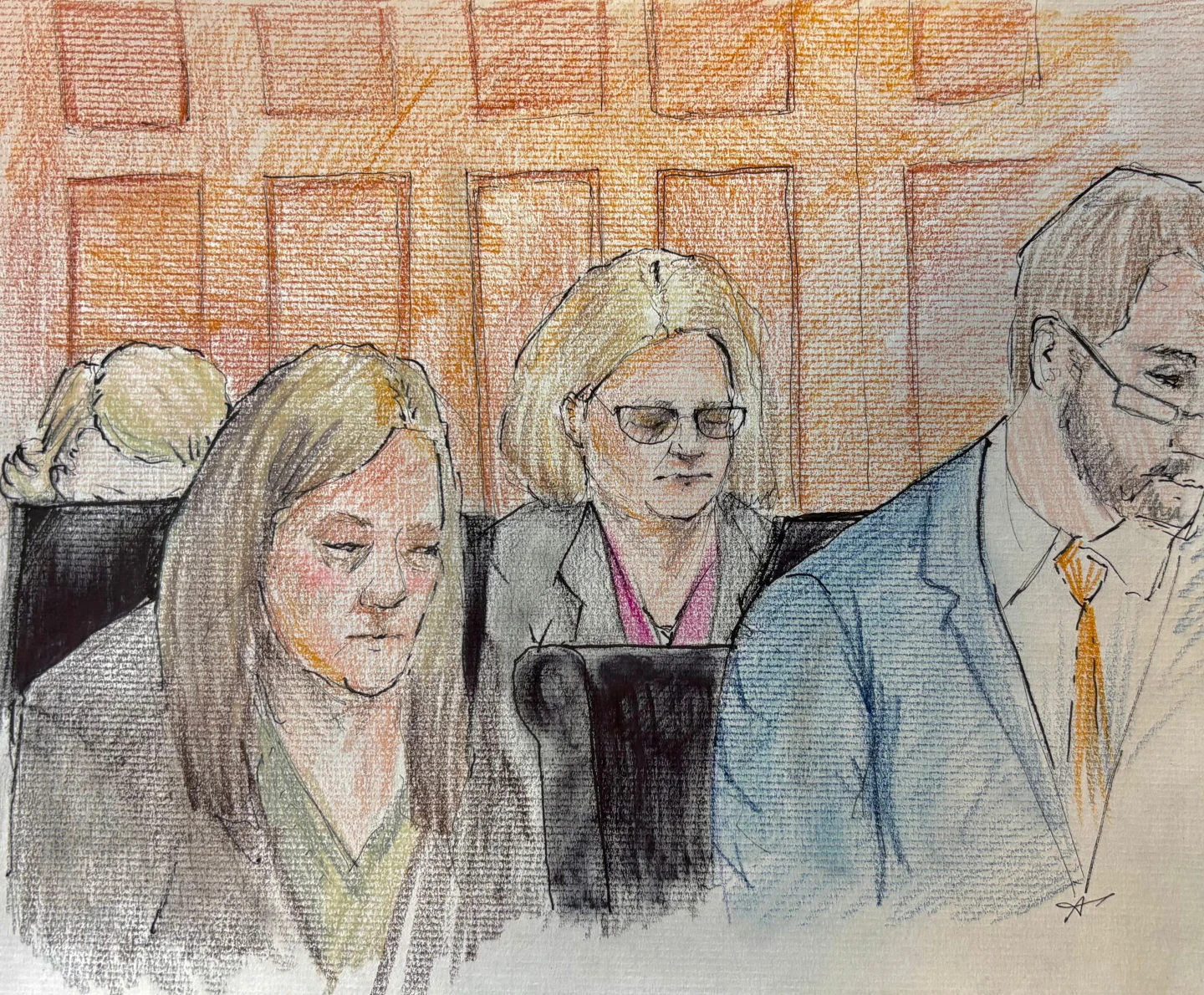
MILWAUKEE (AP) — Prosecutors worked Tuesday to illustrate how Milwaukee County Circuit Judge Hannah Dugan, accused of aiding an immigrant's escape from federal agents, rudely interacted with officers, escalating the risk to their safety. The second day of Dugan's trial highlighted her contentious exchanges with law enforcement within the courthouse.
Dugan is facing obstruction and concealment charges stemming from an incident in April when she allegedly directed a path for Eduardo Flores-Ruiz to evade arrest by federal authorities waiting outside her courtroom. Prosecutors claim she guided her agents to the chief judge's office while leading Flores-Ruiz out through a private door.
The unusual nature of the charges against Dugan reflects the heightened atmosphere surrounding immigration enforcement under the Trump administration. Supporters argue that the case is emblematic of a broader attempt to intimidate judges who challenge immigration actions.
During the trial, FBI agent Phillip Jackling expressed concerns about the lack of coordination among his team when Dugan instructed them to approach the chief judge instead of making the arrest. Another arrest team member, Customs and Border Protection Supervisory Officer Joseph Zuraw, recounted Dugan angrily telling him to leave.
Dugan's defense lawyers argued that the agents could have arrested Flores-Ruiz at any time and that the judge should not be held accountable for their decision to wait until he was outside.
Prosecutors aim to convince the jury that Dugan acted with full awareness of the consequences of her actions. A recording presented to the court featured Dugan saying, 'I’ll get the heat,' when discussing which court personnel would assist Flores-Ruiz.
Defense attorney Steven Biskupic asserted that Dugan did not intend to obstruct the officers but was merely following a draft courthouse policy that stated court staff should refer immigration agents to supervisors.
Flores-Ruiz had been scheduled to face state battery charges in front of Dugan on the day of the incident. After his arrest, he was deported several months later.
The government's case is expected to continue through Thursday. If convicted of the serious obstruction charge, Dugan may face up to five years in prison, although judges hold discretionary power over sentencing.
Prior to the trial, U.S. District Judge Lynn Adelman declined to dismiss the charges, emphasizing that Dugan did not have a clearly established immunity.
Dugan is facing obstruction and concealment charges stemming from an incident in April when she allegedly directed a path for Eduardo Flores-Ruiz to evade arrest by federal authorities waiting outside her courtroom. Prosecutors claim she guided her agents to the chief judge's office while leading Flores-Ruiz out through a private door.
The unusual nature of the charges against Dugan reflects the heightened atmosphere surrounding immigration enforcement under the Trump administration. Supporters argue that the case is emblematic of a broader attempt to intimidate judges who challenge immigration actions.
During the trial, FBI agent Phillip Jackling expressed concerns about the lack of coordination among his team when Dugan instructed them to approach the chief judge instead of making the arrest. Another arrest team member, Customs and Border Protection Supervisory Officer Joseph Zuraw, recounted Dugan angrily telling him to leave.
Dugan's defense lawyers argued that the agents could have arrested Flores-Ruiz at any time and that the judge should not be held accountable for their decision to wait until he was outside.
Prosecutors aim to convince the jury that Dugan acted with full awareness of the consequences of her actions. A recording presented to the court featured Dugan saying, 'I’ll get the heat,' when discussing which court personnel would assist Flores-Ruiz.
Defense attorney Steven Biskupic asserted that Dugan did not intend to obstruct the officers but was merely following a draft courthouse policy that stated court staff should refer immigration agents to supervisors.
Flores-Ruiz had been scheduled to face state battery charges in front of Dugan on the day of the incident. After his arrest, he was deported several months later.
The government's case is expected to continue through Thursday. If convicted of the serious obstruction charge, Dugan may face up to five years in prison, although judges hold discretionary power over sentencing.
Prior to the trial, U.S. District Judge Lynn Adelman declined to dismiss the charges, emphasizing that Dugan did not have a clearly established immunity.