In brief
On 29 June a wave of coordinated demonstrations erupted in Pretoria, Durban and Johannesburg, with thousands demanding that undocumented foreigners exit the country by Tuesday. Police deployed large forces and private security to prevent violence, and an estimated 25,000 migrants—mostly from neighboring African states—have already been repatriated. The protests have been largely peaceful, though isolated clashes and looting incidents have occurred, prompting brief army deployment in some areas. President Cyril Ramaphosa met protest leaders to ease tensions, while anti‑migrant groups pledge weekly demonstrations over the next six months to pressure the government for stricter migration enforcement.
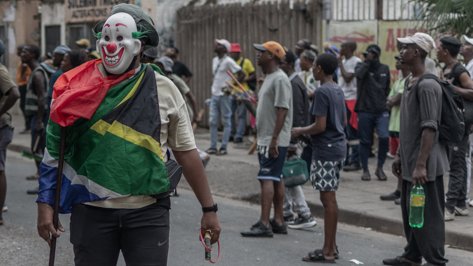
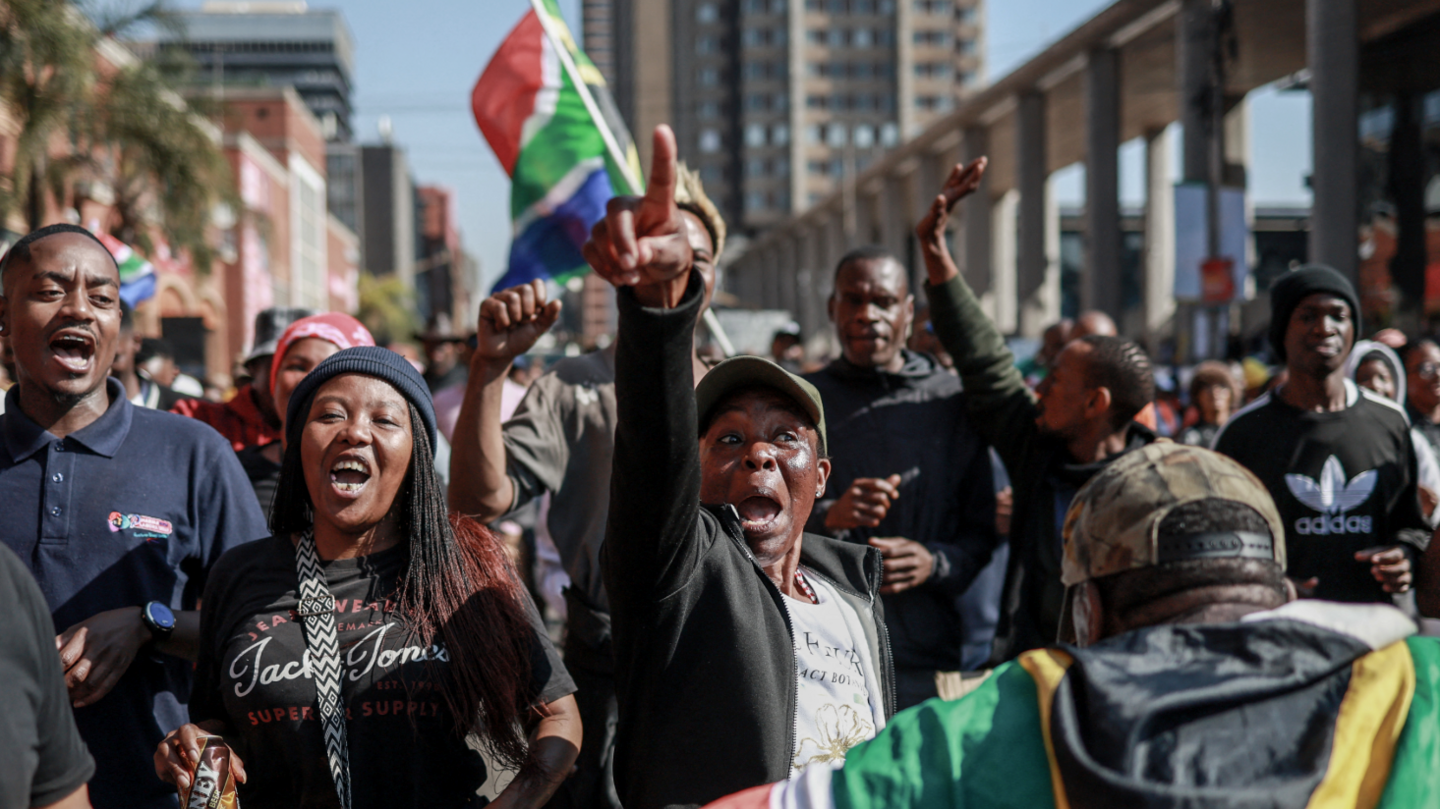
On 29 June, thousands of South Africans swept through the streets of Pretoria, Durban and Johannesburg, demanding that all undocumented migrants leave the country by the end of the day. Protesters carried signs and chanted slogans while a heavy police presence—backed by private security guards—stood watch to prevent violence.
Police report that 25,000 migrants have already been repatriated, with most originating from Malawi, Zambia, Mozambique and other African states. A group of 7,000 Malawians are currently lined up in Durban to board buses home, while others remain stranded in transit camps in nearby towns.
The demonstrations have been described as largely peaceful, though isolated incidents of looting and brick‑throwing in neighborhoods with high migrant populations have emerged. The Ministry of Police confirmed a brief army deployment around parts of Johannesburg and Durban as a contingency measure, and police arrested several individuals following attacks on protesters.
President Cyril Ramaphosa met with protest leaders the night before the marches, urging restraint but acknowledging the need for immigration reform. Anti‑migrant groups such as March and March and Operation Dudula have vowed to continue weekly protests for six months to pressure the government to “get rid of” undocumented migrants.
Migrants have highlighted the hardships of being stranded abroad, with many describing lack of resources to travel back to their home countries and the emotional toll of leaving children behind. In response, the government remains engaged in discussions about formalizing migration policy while addressing humanitarian concerns.