In brief
Pope Leo XIV, America’s first pope, pledges to serve the marginalized and promote inclusivity within the Catholic Church.
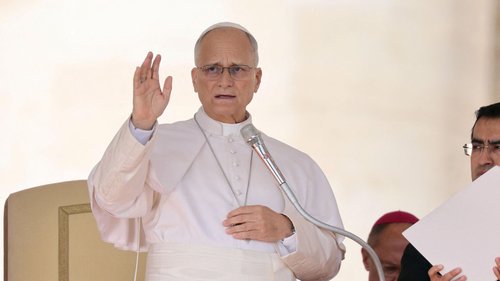
Pope Leo XIV inaugurated his papacy with a heartfelt Mass in the Sistine Chapel on Friday, marking a significant moment for the global Catholic community of 1.4 billion. The first pope hailing from the United States, Cardinal Robert Francis Prevost, emphasized his commitment to the poor and marginalized, aiming to foster a church that prioritizes the voices of ordinary people over the wealthy elite. His lifelong work in Peru and pivotal roles within the Vatican were cited as crucial factors in his election rather than his American roots.During a press conference following the Mass, several cardinals noted that discussions concerning his nationality held little weight in their deliberations. Cardinal McElroy, the new archbishop of Washington, D.C., indicated that the mission transcended national identity, aiming to strengthen the Christian faith's resonance among the people. Likewise, Cardinal Wilton Gregory asserted that the conclave was not reflective of an American political contest but rather a broader vision for Christendom.Many observers view Pope Leo’s approach as a continuation of the principles championed by his predecessor, Pope Francis. He underlined a vision of a more “synodal” church, emphasizing the importance of collective input from congregants rather than unilateral directives from church leaders. While Leo is perceived as less charismatic than Francis, his steadfast advocacy for social issues resonates deeply with those who hope for a church engaged in societal healing and outreach efforts.In Peru, celebrations erupted in city squares as citizens commemorated the elevation of their fellow countryman to the papacy, reflecting a sense of pride and hope for the Catholic Church’s future under his leadership.