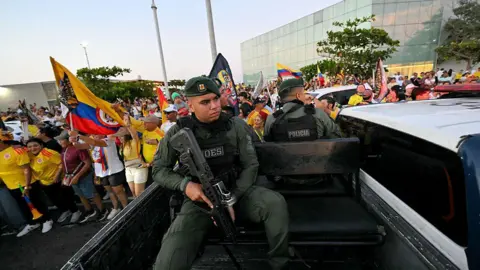
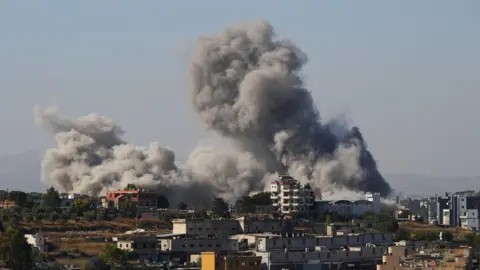
As celebrations erupted across Syria and at the Lebanese border, the unexpected downfall of President Bashar al-Assad sent shockwaves through the region and beyond. After over fifty years of dictatorship, Assad's regime crumbled, altering America's longstanding strategic map that had been heavily influenced by Iranian power and Russia’s military presence in Syria.
American intelligence was caught off guard by the swift end of the Assad government. Just days prior, key officials believed Assad had a fighting chance of retaining control, even considering the use of chemical weapons against his own populace. However, the weekend's upheaval reshaped the landscape, hinting at potential new alliances and conflicts as shifts in power dynamics unfurl.
The rapid political changes prompt crucial questions regarding the future of foreign influence in Syria, particularly regarding Iranian and Russian forces. Will emerging rebel factions push to expel these external powers, or will they engage in pragmatic negotiations to usher in a period of stability after years of devastation and civil conflict?
As President-elect Donald J. Trump prepares for his inauguration in just six weeks, the circumstances present a markedly different geopolitical environment than the one he left four years prior. The outcomes of these developments hold significant implications, not only for Syria but also for the broader Middle East and the global balance of power, requiring a determined examination of the realignment taking place in the region.