In brief
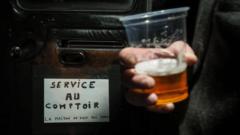
In a significant move to revive social interactions in France's rural areas, lawmakers have supported a bill to simplify the opening of village bars, responding to the dramatic decline in such establishments since the 1960s.
Lawmakers in France have taken decisive action to revive village life by supporting a new bill aimed at making it easier to open bars in rural communities. The National Assembly voted 156 to 2 in favor of loosening the stringent restrictions currently in place regarding permits for alcohol-serving establishments. This initiative is part of a broader effort to foster social connections and combat isolation in small villages, though it still awaits Senate approval to become law. The proposal is particularly vital given the sharp decrease in the number of bars and cafés across France, which dwindled from around 200,000 in the 1960s to approximately 36,000 by 2015, with many closures occurring in rural areas. To legally operate a bar that serves alcoholic beverages over 18% alcohol, owners must obtain a type-4 alcohol license—this has historically been restricted, preventing the issuance of new licenses unless existing venues shut down. The new legislation proposes that new bar managers in towns with populations under 3,500 and lacking a bar can seek a new permit immediately, a change that would empower local mayors to approve or reject these requests. Lawmaker Guillaume Kasbarian argued for substituting "an old and obsolete legal framework," emphasizing the importance of bars as social hubs in rural areas. Another MP, Fabien Di Filippo, noted their essential role in fostering community ties in a society where individuals increasingly retreat into isolation.Despite the positive intent, concerns have been raised regarding potential health impacts, as the French health ministry cites around 49,000 annual alcohol-related deaths as a significant public health crisis. The push to reopen village bars thus stands at the intersection of community-building efforts and public health considerations.