In brief
The Louvre museum in Paris has announced a significant hike in ticket prices for non-European Union tourists, set to increase by 45% starting January 14, 2026. This decision follows criticisms of the museum's security and infrastructure after a major theft earlier this year. The price surge aims to generate funds for much-needed renovations and improvements to visitor experience. The museum received nearly 9 million visitors in 2024, with a substantial portion coming from non-EU countries such as the US and China.
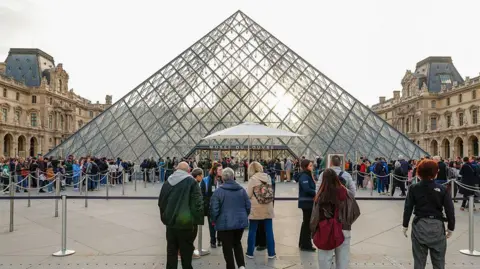
Ticket prices for the Louvre museum in Paris will rise by 45% for most non-European Union visitors, the museum's board decided on Thursday. From early next year, tourists from countries like the US, UK, and China will have to pay €32 ($37; £28) to enter the museum, a price hike expected to raise millions of euros annually to fund an overhaul of the famous gallery.The museum's security and management have faced criticism since a brazen heist in October, when a four-person gang stole jewellery worth $102 million (£76 million) and fled within minutes. An official audit of the museum published shortly after the heist highlighted the institution's inadequate security systems and ageing infrastructure.From 14 January, visitors from countries outside the European Economic Area—which includes EEA countries in addition to EU member states—will pay an extra €10 to enter the world's most visited museum. Non-EU visitors in groups with accredited guides will also have to pay €28 starting next year, the Louvre told the BBC.The price hike is expected to raise between €15 million and €20 million each year to support the museum's modernisation plans. The Louvre received nearly 9 million visitors last year, with most hailing from abroad, including over a tenth from the US and around 6% from China.There have been longstanding calls to address the museum's capacity to accommodate crowds, with visitors often complaining of congested galleries and long queues. In January, French President Emmanuel Macron and the Louvre announced improvements to the museum and suggested higher fees for non-EU residents in 2026.Macron also stated that the Mona Lisa would be relocated to a new space to help alleviate overcrowding. Most of the Louvre's 30,000 daily visitors flock to see Leonardo da Vinci's masterpiece, often leaving them only moments to view the painting and snap a photo due to the crowd size. The Louvre will also renovate other areas of the museum and add new amenities, upgrades projected to cost several hundred million euros. An investigation after October's heist found that the museum had spent significantly more on acquiring new artworks than on maintenance and restoration.