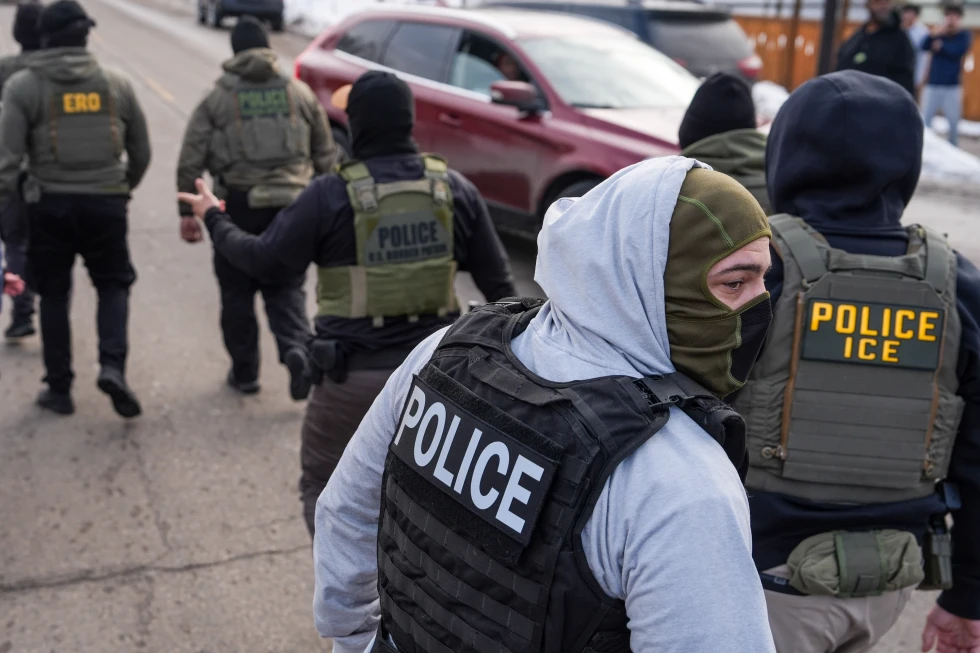
As tensions rise over federal immigration enforcement, particularly concerning the expansion of detention facilities under the Trump administration, state and local officials are rallying against plans to house thousands of detained immigrants in their neighborhoods. This expansion is part of a larger push that utilizes funds from Trump's recent tax cuts, amounting to $45 billion dedicated to expanding the immigration detention system.
Recent incidents involving the fatalities of immigrants during ICE enforcement actions have heightened scrutiny on the agency. In Minnesota, the tragic shootings of Renee Good and Alex Pretti have intensified protests and public hearings, especially regarding a proposed ICE facility just north of Richmond, Virginia. Local residents voiced strong opposition during a recent hearing, with one resident, Kimberly Matthews, warning that such facilities could lead to tragic outcomes similar to those witnessed in other states.
In response to growing community concerns, elected officials in Kansas City, Missouri, quickly implemented an ordinance designed to block the establishment of any new ICE detention facilities within city limits. Mayors from Oklahoma City and Salt Lake City have taken additional steps by announcing that local property owners will not provide facilities for ICE operations.
Furthermore, state legislatures led by Democrats are pushing bills to discourage or outright prohibit ICE facilities. A notable New Mexico measure directly targets agreements that local governments may make to detain immigrants for ICE. Meanwhile, California is proposing a tax on the profits of companies operating these detention facilities, signaling a concerted effort against federal immigration policies.
Growing Detention Needs
As of late December, more than 70,000 immigrants were being detained by ICE, a number that has surged since Trump took office. The expansion of facilities has nearly doubled, with reports of new detentions on the rise and large-scale facilities being aggressively sought by federal officials.
Despite the concerns and resistance from local governments, legal limitations remain a challenge, as businesses and private landowners may still open detention centers on their own property. Many local governments find themselves navigated through a legal maze without the power to halt such initiatives effectively.
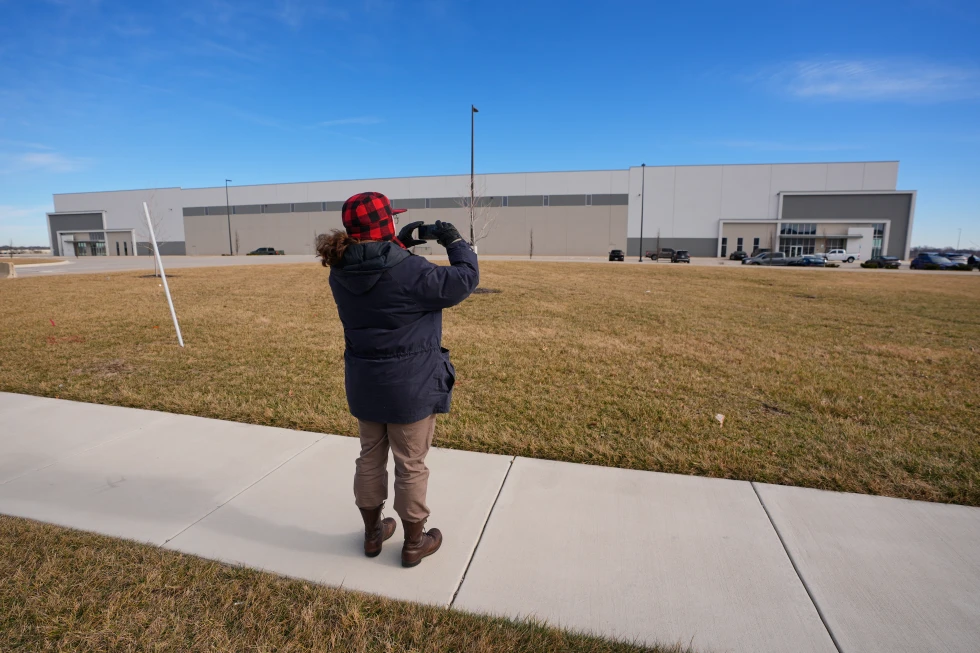
In Kansas City, local officials are under pressure, as federal authorities scout for large warehouses to convert into new detention sites. City lawmaker Manny Abarca highlighted the gravity of the situation, calling it a responsibility for local government to act in the face of federal overreach.
As public sentiment continues to shape the conversation around immigration enforcement and detention facilities, it remains to be seen how much influence local governments can wield in limiting ICE's expansion plans in their areas.