In brief
As Romanians head to the polls once again, they face a choice between nationalist candidate George Simion and a slate of centrists vying for stability in a contentious political landscape.
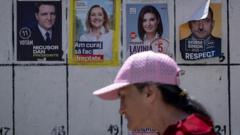
In a dramatic sequel to last November's scandalous election, Romania is set to choose its president again, with voters facing issues of integrity, security, and the nation’s relationship with Europe.In a significant political landscape shaped by controversy, Romanians are preparing for a repeat presidential election today, six months after the first attempt ended in a cloud of allegations concerning campaign fraud and foreign interference. The prior election saw radical outsider Calin Georgescu, known for his mystical tendencies, lead on November 24, only for the results to be annulled amid accusations of Russian meddling. This decision drew sharp criticism from US Vice President JD Vance, highlighting the larger international implications of Romania's electoral integrity.Georgescu has been barred from this election as it now shifts focus to nationalists and centrists. Leading the charge against the backdrop of shifting allegiances is George Simion, the head of the Alliance for the Union of Romanians (AUR). He faces off against notable centrists, such as the popular Bucharest mayor Nicusor Dan, Crin Antonescu representing the ruling social-democrat coalition, and independent candidate Elena Lasconi. With an expansive ballot including seven additional candidates, the stakes are high, as a run-off will be necessary if no contender secures over 50% of the vote.Simion emphasized the election's significance in representing every Romanian who feels marginalized and overlooked, as seen in his firm statements prior to the voting day. Current polling data, although traditionally unreliable, indicates that Simion is poised to perform well, with expectations of a challenging run-off against the likes of either Dan or Antonescu.The outcome holds considerable tension for European capitals, Washington, and even Moscow, given Romania's strategic position as a conduit for weapon supplies to Ukraine and the presence of a US missile defense system. Analysts warn that a presidency led by Simion could shift Romania's foreign policy dynamics. His campaign has also fueled resentment regarding financial aid provided to Ukrainian refugees, despite his claims of not aligning with pro-Russian sentiments.Amidst political tension, the presidential palace, Cotroceni, is open to public engagement, attracting visitors as they stroll through its picturesque gardens on a sunny May afternoon. The people of Romania seem divided yet optimistic, as commenters reflect on past grievances and evolving expectations for a future leader. As the voting unfolds, the anxieties about the diaspora’s influence in a potentially pivotal election and the longstanding concerns over corruption in Romanian politics echo through the campaign rhetoric. Voter sentiments reveal a desire for radical change, yet uncertainty looms large as the nation stands at a critical juncture.