In brief
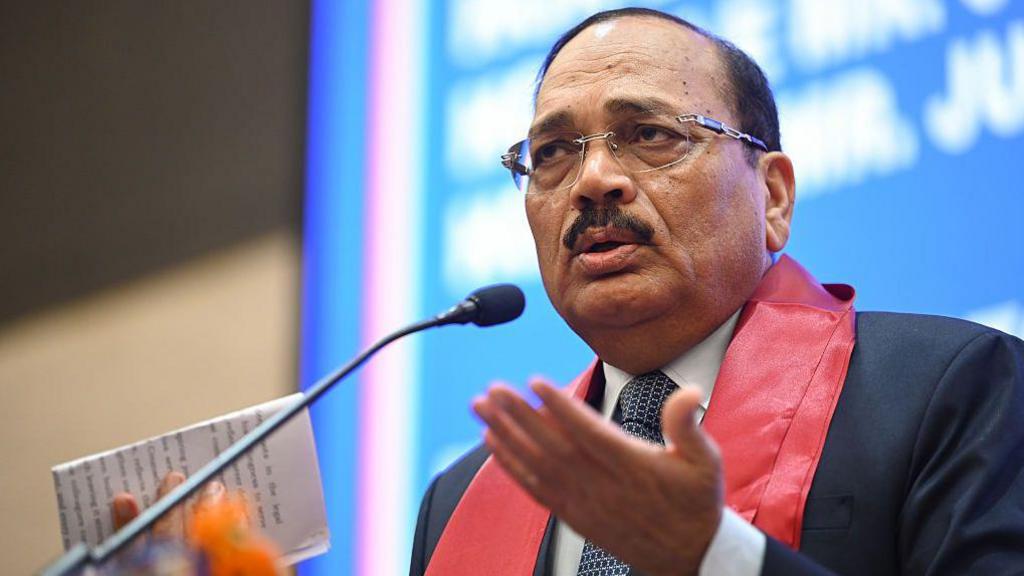
A growing wave of opposition has erupted among law students in India after Chief Justice Surya Kant allegedly used disparaging language towards youth and declined to address police brutality during a protest. The controversy sparked a petition at Nalsar University and intensified when the Bar Council threatened to deny enrollment of the graduating class, only to backtrack after backlash. Officials and legal commentators note that the incident reflects wider tensions around youth activism, media criticism, and the politicisation of the judiciary. The motion has now spread to other elite law schools that refuse to invite either the chief justice or Bar Council chairman.
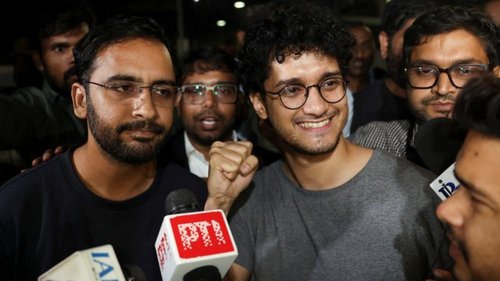
A surge of controversy has erupted across India’s leading law schools after Chief Justice Surya Kant allegedly used disparaging language towards youth and refused to address police brutality during a protest. The backlash began on 23 July, when 450 students of Nalsar University in Hyderabad wrote to the college administration, demanding that the chief justice should not be invited to preside over their graduation ceremony.
Sri Kant’s comments were linked to a remark he made in court comparing some unemployed youth to “cockroaches” and “parasites”. The statement was widely condemned, sparking the creation of the satirical Cockroach Janta Party (CJP) and drawing media attention when the court later denied requests to hold hearings on police actions at the 20 July Parliament march. The comments also reportedly led to police using pellet guns and baton‑and‑tear‑gas against demonstrators, a move that was picked up by international outlets and reignited youth anger across the country.
The students’ email was quickly followed by a warning from Manan Kumar Mishra, the chairman of the Bar Council of India and an MP from the BJP. Mishra threatened that no student who graduated from Nalsar would be enrolled by the Bar Council until further orders. “He is a member of a public‐respect dignified figure and his presence at our ceremony would undermine the values we hold”, the students wrote. The council immediately halted proceedings after widespread criticism from opposition parties, senior lawyers and the chief justice himself.
The backlash spread further when students at the National Law School of India University (NLSIU) in Bengaluru issued an open letter condemning the Bar Council and refusing to invite either Mishra or Kant to their own convocation. In a brief statement, Chief Justice Kant clarified that he had never accepted the Nalsar invitation to speak at the ceremony and that he would not attend, but the incident has underscored a deeper divide between the judiciary and the younger legal community.
The controversy surfaced amid a wave of student protests that saw the formation of the self‑proclaimed Cockroach Janta Party, which pushed for education reforms and sparked a series of high‑profile demonstrations ending only after the resignation of the education minister. The fallout continues to reverberate across India’s premier legal institutes and in corridors of the Supreme Court.