In brief
Following a deal between President Trump and Salvadoran President Nayib Bukele, the return of top MS-13 leaders from U.S. custody appears to hinder ongoing investigations into gang activities, potentially jeopardizing justice efforts in both nations.
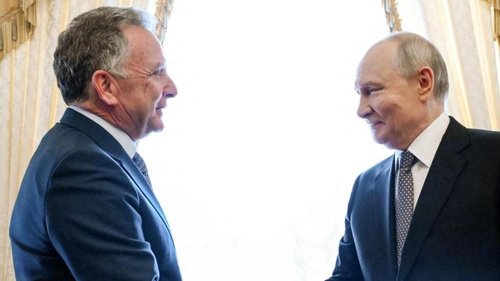
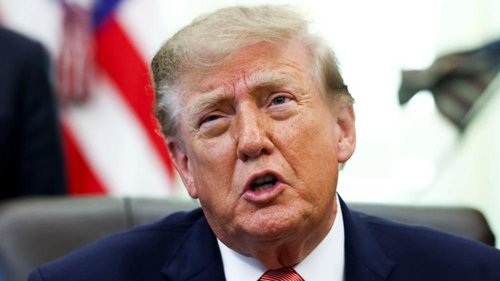
When President Trump met with Nayib Bukele, the president of El Salvador, in April, a controversial agreement was forged concerning the return of gang leaders from U.S. custody to their homeland. This arrangement was a key aspect of Bukele’s request for the U.S. to accept El Salvador’s deportees. Recent investigative reports from The New York Times illuminate the implications of this deal, raising concerns about its potential impact on ongoing U.S. investigations targeting the notorious MS-13 gang. Bukele’s motivations are particularly noteworthy, as it appears he may benefit politically from the presence of gang leaders back in El Salvador. Despite official statements asserting that these gang members would face justice upon their return, evidence suggests there may be a clandestine cooperation between the Salvadoran government and high-ranking MS-13 members. Reports indicate that prominent gang figures have reached agreements to reduce violence within El Salvador in exchange for favors and financial incentives during their imprisonment. Investigators have also begun to scrutinize Bukele’s role in this arrangement, raising alarms about the broader implications for governance in the country.This development complicates matters for U.S. prosecutors involved in a multi-agency investigation targeting MS-13, initiated during Trump’s first term. Sources indicate that the return of these leaders could undermine significant cases against gang affiliates. Prosecutors are now reportedly reconsidering charges and have quietly begun dropping cases against some of the most prominent members of the gang.For instance, César López Larios, one of the top leaders, was recently deported to El Salvador after less than a year in U.S. custody, during which he was awaiting trial for serious conspiracy charges. The fallout from these decisions raises serious questions about the integrity of the U.S. criminal justice efforts against organized crime while potentially empowering corrupt practices within El Salvador’s governance. As this situation unfolds, the implications of returning MS-13 leaders continue to pose risks for anti-gang strategies both locally and internationally.