In brief
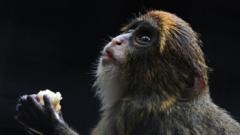
A twelfth De Brazza's monkey has died amid a bacterial outbreak at the Hong Kong Zoological and Botanical Gardens, raising concerns about possible soil contamination and zoonotic disease transmission.
The recent death of a De Brazza's monkey marks a grim milestone as the twelfth such animal succumbs to a bacterial infection at the Hong Kong zoo. Tests are ongoing to ascertain if this latest death is connected to a melioidosis outbreak, which has claimed the lives of eleven other monkeys within the past ten days. Isolation measures were put in place starting October 13, following the initial reports of fatalities.Autopsies conducted on the deceased monkeys revealed a significant presence of sepsis-inducing bacteria believed to have originated from contaminated soil in proximity to the monkeys' enclosures. According to Hong Kong's Culture, Sports and Tourism Secretary, workers involved in excavation work inadvertently introduced contaminated soil via their footwear.Dirk Pfeiffer, a veterinary epidemiologist at the City University of Hong Kong, suggested the risk of human infection is inherently low. However, he cautioned against the potential dangers of underreported soil contamination, specifically in Asian regions when multiple deaths occur among captive animals.The eleven monkeys that passed away earlier include critically endangered species such as cotton-top tamarins and various monkey species including white-faced sakis and common squirrel monkeys. Officials have confirmed that all deaths resulted from melioidosis, an infection attributed to the Burkholderia pseudomallei bacteria, which is found naturally within soil in tropical and sub-tropical climates.The latest monkey death was recorded on Tuesday, with preliminary findings indicating similar tissue lesions as seen in the previous cases. While the health status of the other 78 mammals at the zoo remains stable, the entire mammal section has been shuttered since October 14 for thorough disinfection.As the city's oldest park, the Hong Kong Zoological and Botanical Gardens occupies a central 14-acre site. Animal rights organization Peta has expressed concern regarding zoonotic diseases, emphasizing the need to prioritize the welfare of animals and their natural habitats over their captivity for entertainment.Historically, the first documented case of melioidosis in Hong Kong occurred in the mid-1970s when an outbreak resulted in the death of 24 dolphins at Ocean Park, indicating a long-standing relationship between this infectious disease and the region.