In brief
Paul Mackenzie, a former Kenyan preacher, is accused of leading a cult that killed 191 children by force-feeding them to starvation in the Shakahola forest. The court will deliver its verdict on Sunday, amid claims that the children were made to believe death would bring them closer to God. Mackenzie and 29 others face murder charges, while also confronting accusations of terrorism and obstructing education. Survivors recount graves containing dozens of bodies and the use of hired laborers to dig mass graves. The case underscores the danger of extremist religious movements in Africa.
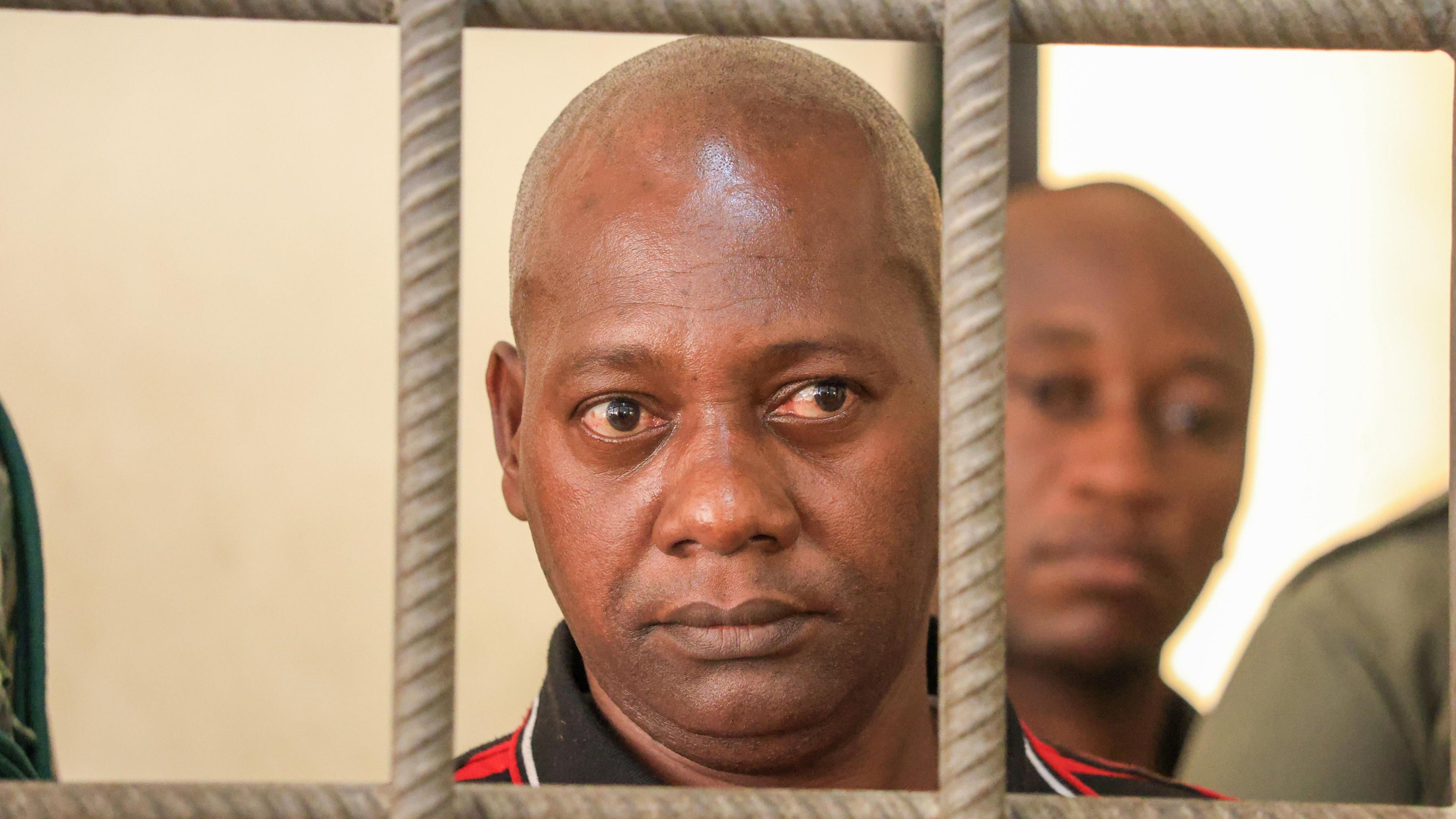
In a quiet courtroom near the Kenyan coast, judges are set to deliver a verdict that could bring closure to a horrific chapter of the country’s recent history. Paul Mackenzie, a former local preacher whose ministry once attracted thousands, stands accused of orchestrating the murder of 191 children in the Shakahola forest.
The charges rest on testimony that Mackenzie and 29 of his followers forced children to starve to death, convincing them that it was a gateway to meeting Jesus. The doctrine, which banned education, modern medicine and even digital identification, fostered a climate of fear and obedience.
Survivors speak of shallow graves littered with dozens of bodies, some wrapped in bed sheets, and of paid laborers who dug mass graves for as little as $8 a day. One gravedigger recalled finding a grave that contained twelve children in a single line, bodies stacked like clothing.
Mackenzie, who once ran a television station that broadcast his sermons, has repeatedly pleaded not guilty, insisting that no one was forced to die. His former head of security, Enos Amanya Ngala, entered a plea deal and now testifies for the prosecution.
Despite the immense suffering, some followers still view Mackenzie as a caring leader. One former family member shared that he would have died if he had stayed in the forest, yet still calls him “a good man.”
If found guilty, Mackenzie could face a lengthy prison sentence and would be the first to be judged on the most serious charges of murder in this case. The trial is expected to attract intense national attention and could have implications for how extremist movements are policed in Africa.