In brief
Reports reveal the harsh reality for Ukrainians living under Russian occupation, where cultural traditions are stifled, communication is fraught with danger, and even basic rights are curtailed. An underground resistance thrives, albeit at great personal risk.
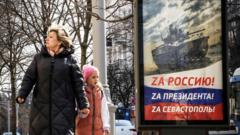
empty line Article: In the heart of Russian-occupied Ukraine, residents grapple with an atmosphere of fear and repression, as highlighted by the poignant words of a woman named Maria – a pseudonym for her safety. "Russians are trying to ban everything Ukrainian," she emphasizes, voicing the grave concern for the cultural heritage and identity of her homeland. As global powers, led by the United States, work towards peace negotiations, for those under occupation, the prospect seems bleak. The Kremlin’s imposing measures aim to erase the essence of Ukrainian identity, implementing strict penalties for dissenters. The looming threat of forced territorial concessions from Kyiv adds to the dread felt by civilians, who face brutal consequences for any expression of their national pride. With occupied regions like Donetsk, Luhansk, Kherson, and Zaporizhzhia firmly under Moscow's control, the pressure to assimilate intensifies, exemplified by aggressive campaigns to enforce Russian citizenship among Ukrainians. Maria is part of a non-violent, all-female underground resistance, utilizing flyers and newsletters to promote hope amid strict surveillance. She describes her situation with a Ukrainian saying: “You have fear in your eyes, but your hands are still doing it.” Speaking to anyone in occupied territories carries considerable risk and caution is paramount. For many, even everyday communication can lead to dire repercussions; individuals like Sofia recount her parents being targeted by Russian security forces under false accusations. Prioritizing safety, those living in occupied villages often find it impossible to maintain regular conversation without endangering their loved ones. Friends and family in occupied regions seem reluctant to take risks, with some sharing that even simple actions like topping up mobile phones have become complex due to the refusal to adopt Russian passports. Surveillance measures have burgeoned, with CCTV cameras strategically placed to monitor life and quell any rising dissent. Reports show that many activists have either been killed or disappeared since the onset of occupation, with the Ukrainian rights group Zmina documenting over 121 cases of violence against activists, including journalists. Despite oppressive conditions, resilience persists. Underground groups, like Zla Mavka, focus on peaceful protests through pamphlets and posters, while others like the Crimean Tatar group Atesh engage in more direct defiance. The absence of independent media heightens the challenge of assessing these movements effectively, leaving the impact of their efforts largely unverified. Propaganda saturates the landscape; billboards featuring prominent Russian figures and depictions of the military drown out Ukrainian voices. The Kremlin has banned Ukrainian media entirely, leaving a vacuum filled by pro-Russian narratives, often delivered through local youth. Schools have been transformed into sites of indoctrination, where the glorification of the Russian army is standard, misrepresenting Ukraine as the aggressor and instilling a distorted worldview in impressionable students. As the situation evolves, the resilience of Ukrainians amid a siege of identity theft, cultural repression, and overt propaganda remains a testament to their spirit. Their fight for autonomy, culture, and the very essence of their nation continues against overwhelming odds.