HARRISBURG, Pa. (AP) — A judge has paved the way for the potential release of Subramanyam Vedam, an Indian citizen who spent four decades in prison following a murder conviction that was recently overturned. During a four-hour hearing, Vedam asserted his innocence in the fatal shooting of Thomas Kinser back in 1980.
Participating remotely from the Moshannon Valley Processing Center in Pennsylvania, Vedam, now 64, expressed his regret for wrong decisions made in his youth, emphasizing that he did not commit the crime. The federal government is seeking to deport him to India, a country he left as an infant in 1962.
U.S. Immigration Judge Adam Panopoulos stated that Vedam demonstrated genuine rehabilitation and posed no danger to society. He acknowledged Vedam’s efforts to improve literacy among inmates and the bonds he maintained with family, including nieces who have only known him behind bars.
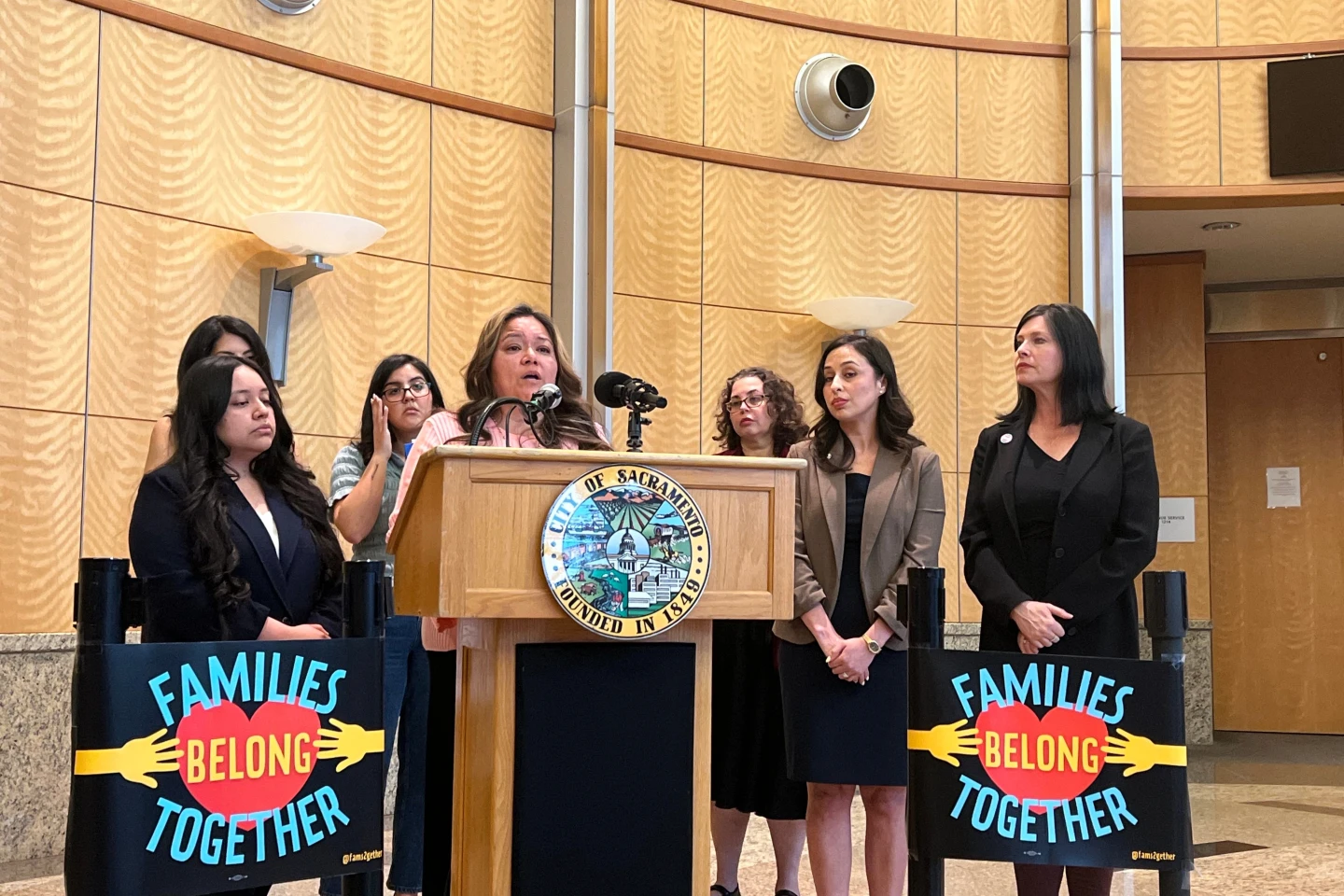
Additionally, Vedam's attorney highlighted his plans to live with a relative in Sacramento, California, and pursue a doctoral program at Oregon State University. The DHS has one month to appeal the judge's decision, while Vedam's previous drug convictions may complicate his case.
The Background
Vedam, who has always asserted his innocence regarding Kinser's murder, has faced significant challenges. He was brought to the U.S. at just nine months old and was poised to become a naturalized citizen shortly before his apprehension. The Department of Homeland Security is still focusing on previous drug-related convictions, raising concerns about his future in the U.S.
After an earlier trial ended in a first-degree murder conviction, a Centre County judge declined to retry Vedam, citing new evidence that was not disclosed during the original proceedings. This decision came after a lengthy legal battle that has left Vedam impatiently awaiting his fate for many years, as he seeks the chance to start anew.
Even as Vedam's lawyers work to secure his release, they face continued challenges from federal officials eager to deport him over past charges. The dramatic unfolding of this case reveals the complexities of the American judicial and immigration systems, particularly in how they intersect with personal stories of redemption and the quest for justice.