For many U.S. Jews, following current events these days is emotionally tumultuous. There is anger over the rise in attacks targeting their communities, paired with deep divisions on whether to support or criticize various actions by Israel in the Middle East.
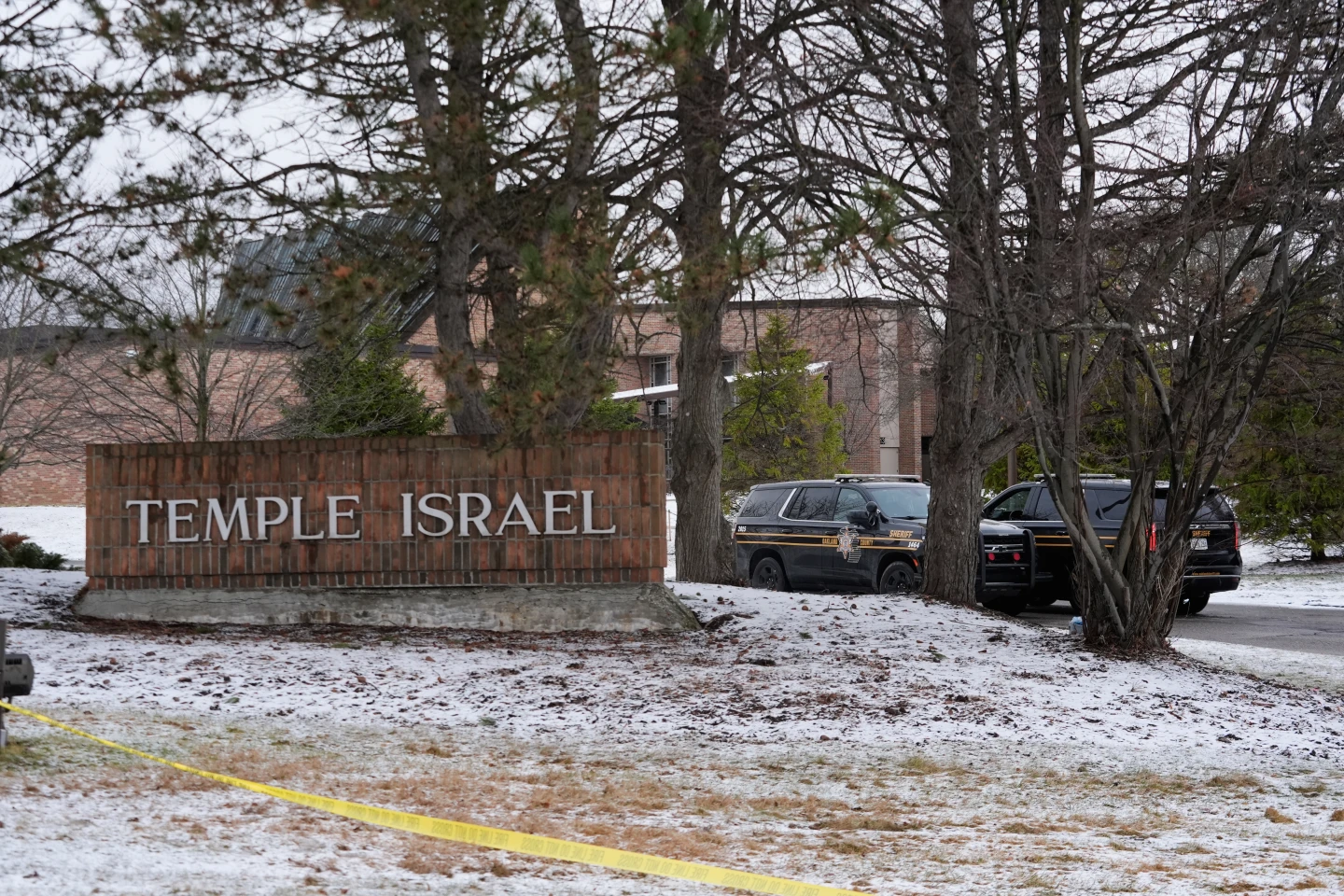
Last week, the attack on a Detroit-area synagogue where over 100 children attended a preschool program drew widespread condemnation. The driver of the pickup truck, who had lost family members in an Israeli airstrike, engaged in gunfire with a guard before taking his life. Rabbi Rick Jacobs of the Union for Reform Judaism stated, To hold American Jews... accountable for the actions of a foreign government is a dangerous double standard.
Jewish commentator Peter Beinart also denounced the attack while reiterating his critique of Israeli policy in Gaza and the West Bank. He stressed that American citizens cannot be held accountable for the actions of foreign entities based on shared ethnicity or religion.
Beinart suggested that synagogues displaying pro-Israel signs should reconsider, citing safety concerns, while others feel these signs reflect personal beliefs that should not risk violence.
Amid the rising tide of antisemitism, figures such as Amy Spitalnick voiced the complexity of these interrelated issues, advocating the need for a Jewish homeland while condemning the current Israeli government's actions.
Jewish communities are also increasingly burdened by the need for security, with the cost of safeguarding synagogues rising to over $1 million annually in some cases. Despite this, many maintain their commitment to expressing affinity for Israel, citing it as a core aspect of Jewish identity.
Moreover, as conversations evolve regarding the fine line between anti-Zionism and antisemitism, leaders like Rabbi Elliot Cosgrove express the importance of mobilizing against such conflation, recognizing the ancient connection Jews have with Israel while acknowledging dissent against policies of its government.