In brief
Jellycat, a UK plush toy brand, has captivated the Chinese market as young adults seek emotional support through collectable toys. Originally designed for children, these plushies have evolved into a comfort for a disenchanted youth amid economic challenges. With strategies like localised products and pop-up experiences, Jellycat's plushies have become a cultural phenomenon, marking a trend of 'kidults' embracing their inner child.
How Jellycat Conquered the Chinese Plush Toy Market
Stella Huang bought her first Jellycat plush toy when she lost her job during the pandemic. A school friend introduced her to the British-designed toys, but it was seeing a gingerbread house plushie on the Chinese social media app RedNote that sealed her love for the brand. Christmas, while not widely celebrated in China, sparked her desire for the plush goodies.
Now, as the plush toy craze sweeps through China, with Jellycat as a frontrunner, Stella's collection has burgeoned to 120 toys, totaling around 36,000 yuan (approximately $5,145). For many young adults like her, these toys offer comfort and companionship during arduous times.
The Rise of 'Kidults'
Originally targeted towards children, Jellycat plushies have attracted 'kidults'—adults who embrace playful, childlike interests. Such trends are gaining traction globally as young people seek emotional connections through collectable items. The pandemic helped Jellycat get a foothold in China, where its pop-up experiences and limited-edition releases have generated significant buzz on social media.
A Growing Community
Jellycat's success in China coincides with a larger boom in the collectable toy market, particularly among the youth, who are increasingly turning to such items for emotional solace amid a sluggish economy and high youth unemployment rates.
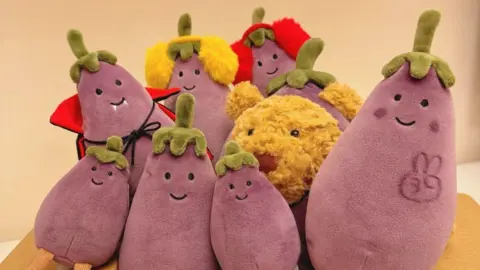
As the 'Aubergine Boss' becomes a popular meme symbolising the complex emotions of adult life, the plushie's fun modifications represents a light-hearted outlet for many Chinese, despite the underlying societal pressures.
Challenges Ahead
However, as the market matures, some enthusiasts see discussions about Jellycat dwindling. With the rising costs and difficulties in acquiring them, fans like Wendy Hui are exploring alternatives like 'blind boxes' of various toys for a more affordable thrill. The charm of collecting may lead some to reconsider their enthusiasm and perhaps retire from this plushie hobby.
Despite these challenges, Jellycat remains a beloved source of comfort, showcasing the adaptability and resilience of toy culture amidst changing socio-economic landscapes.