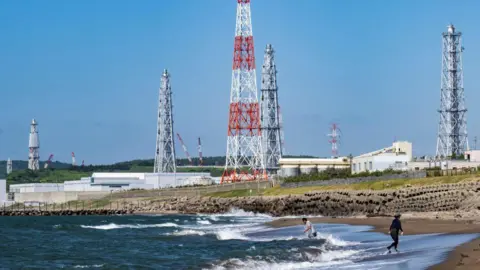
Japan has restarted operations at the world's largest nuclear power plant for the first time since the 2011 Fukushima disaster forced the country to shut all of its reactors.
The decision to restart reactor number 6 at Kashiwazaki-Kariwa north-west of Tokyo was taken despite local residents' safety concerns. The restart was delayed by a day due to an alarm malfunction and is expected to operate commercially next month.
Heavily reliant on energy imports, Japan had been an early adopter of nuclear power. However, after Fukushima's meltdown triggered by the strongest recorded earthquake, all 54 of Japan's reactors were scrubbed. The Fukushima disaster led to significant radioactive leakage, the evacuation of local communities, prompting many to not return despite assurance of safety.
As Japan attempts a nuclear power resurgence, the Kashiwazaki-Kariwa plant is expected to have reduced capacity. Out of a potential 8.2 gigawatts with seven reactors, only one has restarted with more anticipated in the future. Critics argue that Tepco, the plant's operator, displayed poor preparedness in response to past disasters, resulting in distrust towards nuclear power in Japan.
The nation's strategy aims for nuclear energy to contribute 20% of its power needs by 2040, a considerable drop from pre-Fukushima levels where it accounted for nearly 30%. Current efforts to restart reactors come amid rising concerns about climate change and energy self-sufficiency.
Moreover, public sentiment remains wary due to past scandals and fears of another disaster. With protestors rallying against the plant’s restart, Japan's energy landscape illustrates a deeply complex relationship with nuclear power as it seeks to balance safety, energy needs, and public trust.