Japan relaxes imperial succession rules amid debate over female emperor
Japan’s parliament has approved a bill to relax imperial succession rules, amid concerns over the dwindling size of the imperial family.
The upper house approved the bill on Friday, allowing the imperial family to adopt distant male relatives aged 15 or older. It also lets women keep their royal status even after marrying outside the family.
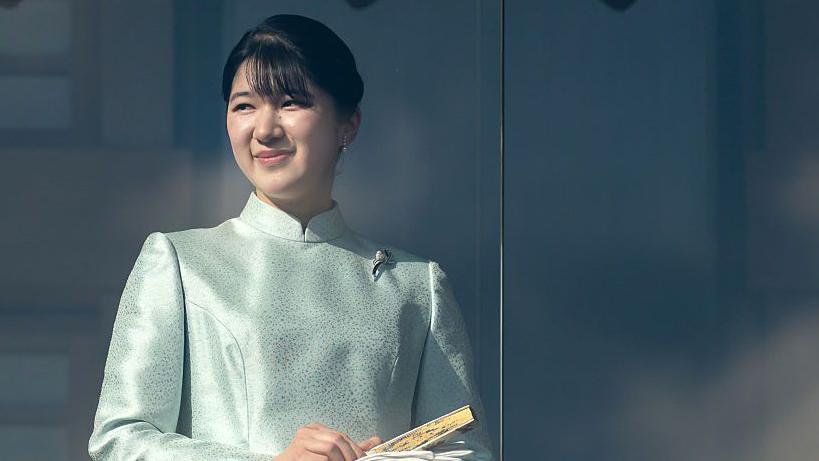
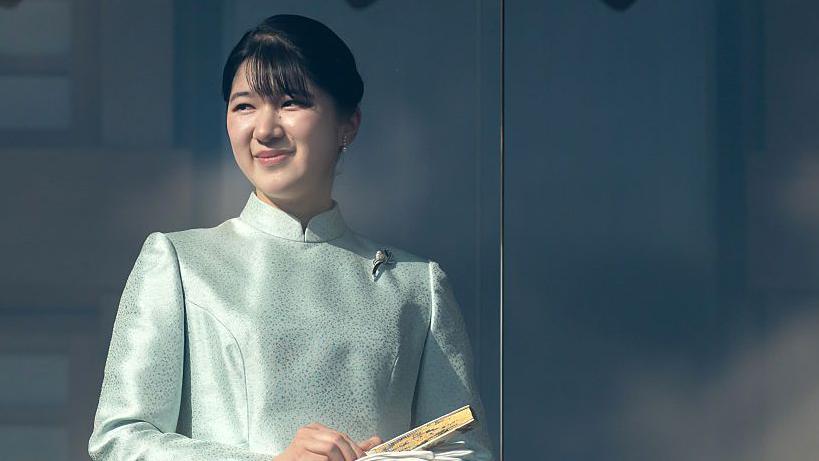
However, the legislation does not lift the ban on women ascending the throne. As a result, Princess Aiko, the emperor’s only child, still cannot become emperor.
The bill cleared the lower house last week and will now move through formal legal procedures before taking effect. Japan is the world’s oldest continuous hereditary monarchy, tracing its lineage back over 2,600 years.
Currently, the line of succession stands with Fumihito, 60, the emperor’s younger brother, as first in line. His son, 19-year-old Prince Hisahito, is second, while the Emperor’s 90‑year‑old uncle is third and the last eligible male candidate under current rules.
Without any amendments, the line would end if Prince Hisahito does not have a male child. Thanks to the new bill, male descendants of 11 former imperial branches—removed after World War II—could be re‑adopted into the royal house.
The amendment marks the first major overhaul of the Imperial House Law since 1949 and signals growing public support for a female monarch, as polls consistently show 70‑83% backing for a female emperor.
Prime Minister Sanae Takaichi and other conservative leaders defend male‑only succession as vital for imperial legitimacy, but the shift reflects a broader debate on gender and continuity within Japan’s ancient court.
The reforms remain subject to further legislative scrutiny and will be closely watched by citizens eager to see if Japan can sustain its hereditary monarchy into the future.