
In brief
As Europe ventures into the future of air mobility with electric flying taxis, the industry's leading companies face severe financial hurdles. Volocopter failed to launch its service in Paris, while Lilium entered insolvency proceedings after unsuccessful funding attempts. Vertical Aerospace continues to pursue ambitious production targets, but financial strains threaten its stability. Meanwhile, Airbus's CityAirbus project remains on track, highlighting a divergent trajectory in the nascent eVTOL market.
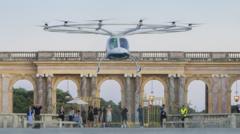
Europe's dream of a vibrant electric flying taxi industry is facing turbulence as key players grapple with financial challenges that hinder their progress. Amidst the excitement surrounding the recent Paris Olympics, the anticipated launch of Volocopter's electric two-seater, VoloCity, failed to materialize, with the company resorting to mere demonstration flights instead. While that setback was striking, more pressing concerns have emerged, including Volocopter's urgent need for additional funding following unsuccessful talks to secure a €100 million loan from the government. Current hopes are pinned on a potential investment from China's Geely, which is rumored to be negotiating an 85% stake in exchange for $95 million, raising questions about future manufacturing locations.In parallel, another German contender, Lilium, known for its innovative approach with aircraft designed to switch between vertical take-off and horizontal flight, has hit a brick wall. Despite previously optimistic projections, including securing orders for 780 planes and raising €1.5 billion, the company is now in insolvency proceedings following its failure to acquire a crucial €100 million loan. Testing of its aircraft was scheduled for early 2025, but current priorities involve either selling the business or seeking new investments.Vertical Aerospace, based in the UK, has managed some advancements with its VX4 design, claiming a significant leap in safety and cost-effectiveness compared to traditional helicopters. Although it celebrated recent milestones, such as successful untethered flights, it faces its struggles, including financial pressure evident in CEO Stephen Fitzpatrick’s additional $25 million investment. Currently, Vertical Aerospace is considering a $75 million investment from American financier Jason Mudrick to avert insolvency, although negotiations have been challenging.In a more stable corner of the industry, Airbus pursues its CityAirbus NextGen project, which boasts an 80km range and innovative design. Analysts remain optimistic about securing a future for the aircraft given Airbus's financial backing and engineering expertise. Meanwhile, other well-funded start-ups in America, such as Joby and Archer, also stand poised for advancements.Ultimately, as these companies endeavor to carve a path in the eVTOL space, they face a daunting challenge in determining if a profitable operational model exists, particularly concerning the costs of pilots and battery maintenance. As investors continue to gamble on the aviation industry's future, the question remains: will these flying taxi dreams take flight or falter under financial strain?


