In brief
Lebanon's health ministry has confirmed that the death toll from Israeli strikes has surpassed 3,000 as of May 18, 2026. The conflict, which reignited in March following an incident involving Hezbollah, shows little sign of resolution, with over 400 fatalities occurring even after a temporary ceasefire was declared. Further negotiations between the conflicting parties are scheduled for June amidst ongoing military operations.
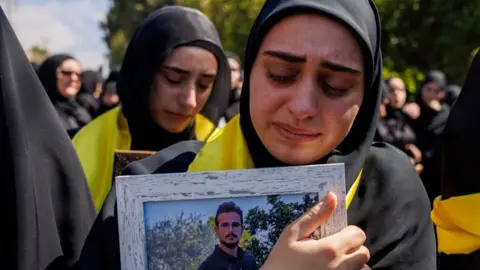
Lebanon's health ministry reports that the number of people killed in the country by Israeli strikes during the conflict between Israel and Hezbollah, which escalated at the beginning of March, has surpassed 3,000. It put the death toll at 3,020 on Monday, a grim milestone in the fighting that shows no sign of abating despite a fragile ceasefire. Lebanon was drawn into the war on March 2, when the Iran-backed armed Shia Islamist group Hezbollah fired rockets at Israel after an Israeli strike killed Iran's supreme leader. The toll has continued to climb even after Lebanon and Israel agreed on Friday to extend their truce by 45 days, with the two sides set to resume negotiations at the beginning of June. The health ministry notes that more than 400 of the deaths occurred since the ceasefire was put into effect on April 17, a period marked by repeated violations on both sides. The truce deal, brokered by the United States, allows Israel to carry out strikes it claims are aimed at countering Hezbollah's military activity. Lebanon has condemned the attacks, stating that they undermine its efforts to re-establish control over armed groups. Since the ceasefire extension was announced on Friday, strikes on towns and villages across southern Lebanon and the Bekaa Valley have continued, resulting in dozens of new casualties. On Saturday, there was a wide-ranging series of strikes across more than two dozen villages. Later in the day, Hezbollah announced that its fighters had targeted the Yaara barracks in northern Israel with drones, following claims of multiple operations against Israeli troops in southern Lebanon. According to Israeli military reports, one soldier was killed during clashes on Saturday, raising its military losses to 20 since early March. Four civilians have also died amidst the violence. Additionally, Israeli forces continue to occupy a strip of territory along the Lebanese frontier, seized during the ongoing conflict.