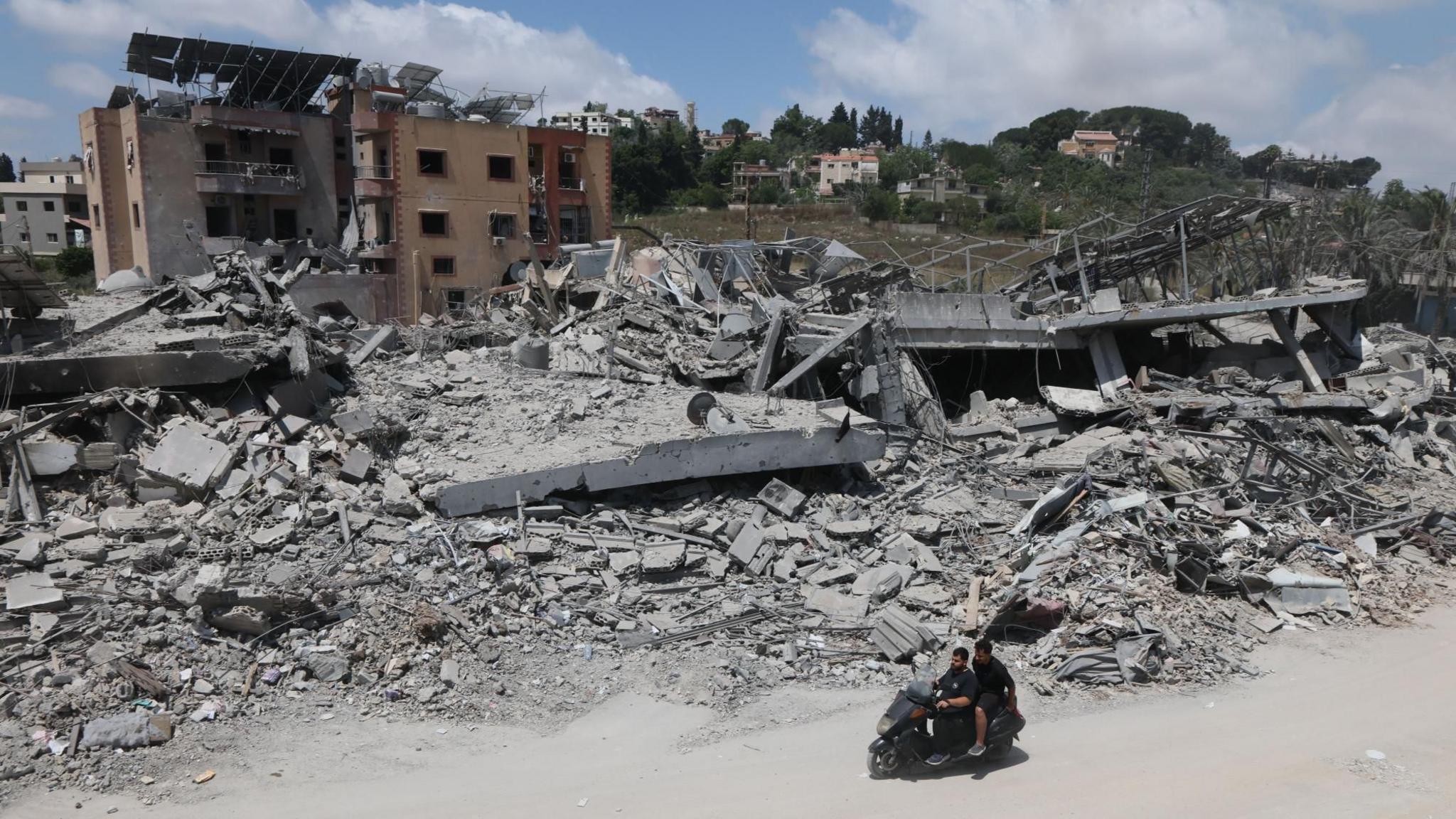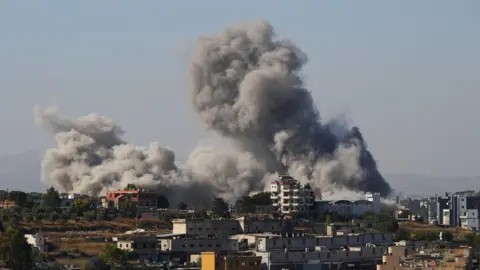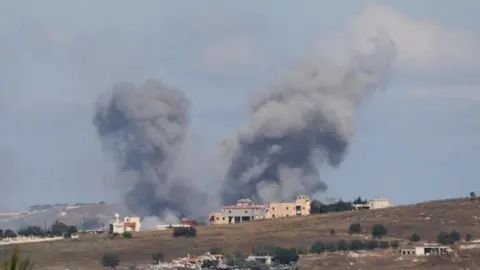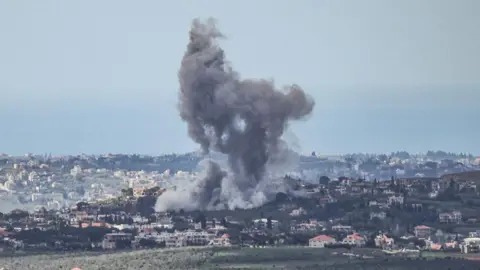
Israel's defense minister has stated that a buffer zone will be established inside southern Lebanon, maintaining Israeli control over significant portions of the territory after the war with Hezbollah concludes. The proposed area to be secured extends up to the Litani River, approximately 30 kilometers from the Israeli border. Katz indicated that all houses in southern Lebanese villages near the border would be demolished as a measure to eliminate threats. Lebanon's defense minister responded to Katz's announcement, asserting it demonstrates a clear intent for a new occupation of Lebanese land, and the plan has drawn criticism from various international actors including European nations and the UN.
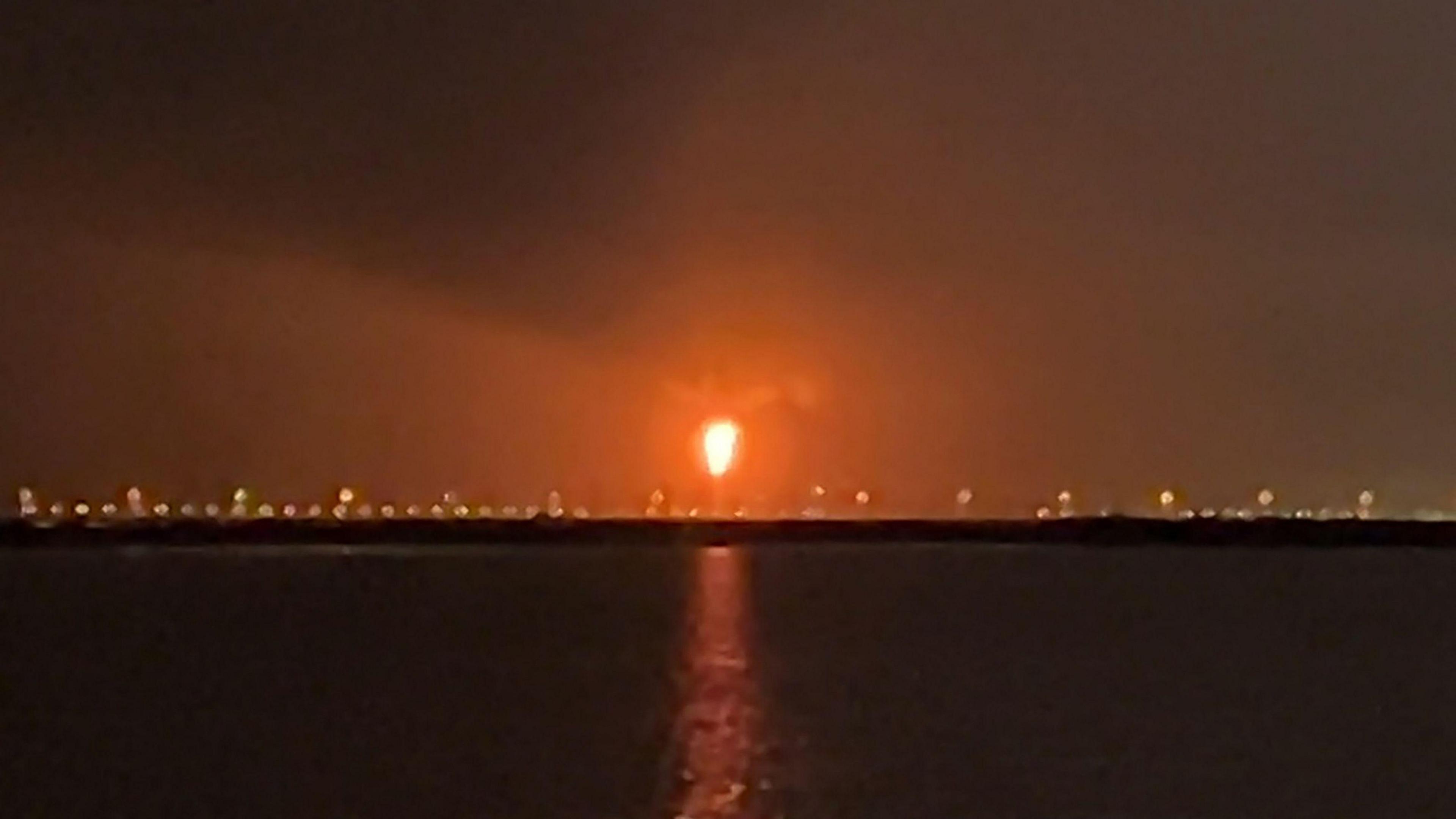
Since the hostilities escalated following Hezbollah's retaliation for the assassination of Iran's supreme leader in late February, at least 1,238 individuals in Lebanon have died, varying from civilians to known militants. Israeli authorities reported that ten soldiers and two civilians have been killed during this period due to Hezbollah attacks. The newly articulated Israeli military strategy has rekindled fears of a severe humanitarian crisis, as more than a million Lebanese have been displaced, exacerbating an already dire situation in the country.
Israeli officials remain firm that these measures aim to shield northern Israeli communities from Hezbollah attacks, while the Lebanese government and military grapple with the complexities of their own sovereignty amidst ongoing conflicts. The humanitarian implications and sentiments of collective punishment against civilians are at the forefront of discussions, as Lebanon's President labels the developments as indicative of deeper agendas surrounding Israel's territorial pursuits.
Since the hostilities escalated following Hezbollah's retaliation for the assassination of Iran's supreme leader in late February, at least 1,238 individuals in Lebanon have died, varying from civilians to known militants. Israeli authorities reported that ten soldiers and two civilians have been killed during this period due to Hezbollah attacks. The newly articulated Israeli military strategy has rekindled fears of a severe humanitarian crisis, as more than a million Lebanese have been displaced, exacerbating an already dire situation in the country.
Israeli officials remain firm that these measures aim to shield northern Israeli communities from Hezbollah attacks, while the Lebanese government and military grapple with the complexities of their own sovereignty amidst ongoing conflicts. The humanitarian implications and sentiments of collective punishment against civilians are at the forefront of discussions, as Lebanon's President labels the developments as indicative of deeper agendas surrounding Israel's territorial pursuits.