In brief
Israel’s far‑right, led by National Security Minister Itamar Ben’Gvir, is gaining traction among first‐time voters who view him as a defender of national security and identity. Polls suggest over 16% of new voters plan to back his party or its ally, while younger voters are turning to social‑media‑savvy campaigns. Despite widespread condemnation from liberal circles, the surge of youth support illustrates a growing right‑wing shift that could tip the tight election. The division remains stark, with opponents warning that the far‑right’s rhetoric risks deepening sectarian tensions.
When Israel's far‑right National Security Minister, Itamar Ben‑Gvir, turned 18 he was rejected from the army for being "too politically extreme." Thirty years on his stance remains the same, but the country has shifted, and the hard‑liner is now a minister in Prime Minister Netanyahu's coalition.
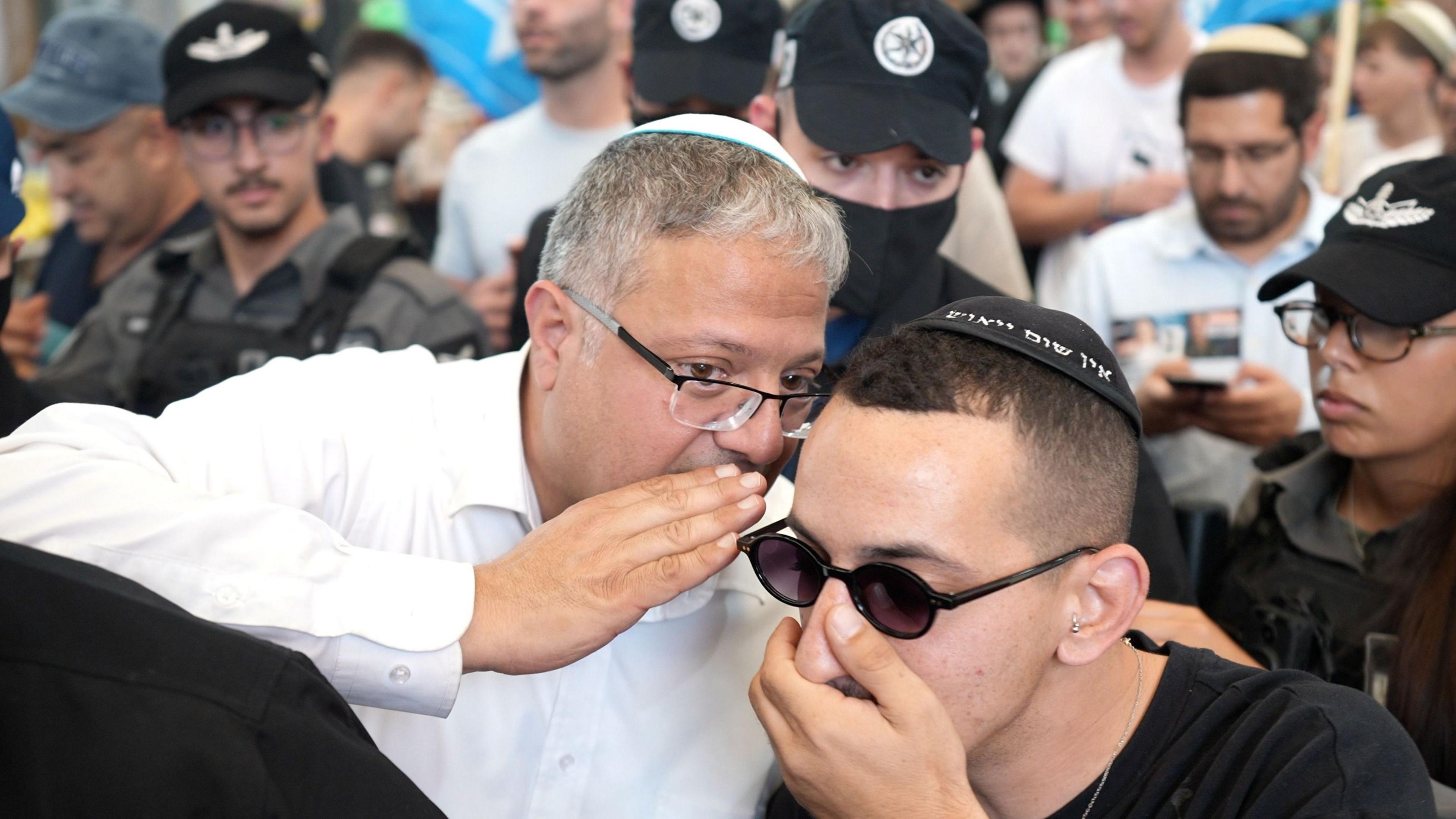
Ahead of next week's general election, Ben‑Gvir is surrounded by a jubilant crowd of fresh‑faced young voters in Ramle's mixed market, where he urges them to "get out and vote." "We see the support, we see the love, and we want to win," he told reporters.
More than half a million first‑time voters will cast ballots in an election many see as existential for Israel's security and identity. Polls predict a tight race, with just over 16% of the new electorate planning to back Ben‑Gvir's Jewish Power or his ally Bezalel Smotrich's Religious Zionism party.
Young Israelis feel the attack of 7 October are a turning point. 20‑year‑old Mordechai said, "I think Ben Gvir gives me a sense of security." 18‑year‑old Nadav added, "He will give us safety and have our backs when we join the army." Ultra‑Orthodox 23‑year‑old Meir Schreiber, raised in London, told reporters the Hamas attacks convinced him Ben‑Gvir was the right choice.
Ben‑Gvir's approach is still divisive. He pushes for annexation of the occupied West Bank, settlement of Gaza and a "voluntary emigration" for Palestinians, positions condemned by liberal Israelis. Several Western governments have sanctioned or banned travel for Ben Gvir and Smotrich over incitement.
The strength of his support among 18‑to‑22‑year‑olds is partly attributed to the 7 October attacks, but political analyst Dahlia Scheindlin notes a broader trend: younger Jews in Israel are more right‑wing than older generations, conditioned by repeated wars and lacking personal experience of peace talks.
Social media plays a key role. Although younger voters turn to TikTok and Instagram for news, Ben‑Gvir capitalised on these platforms early, achieving higher views than rival politicians. Opponents, including centre‑right Aren Achad's newcomer party, have been pushing anti‑far‑right messaging to recruit voters.
With the electorate split, the young voters may sway the outcome. Elections are tight between pro‑government and anti‑government blocs, and turnout among first‑time voters is a decisive factor for both sides.
Youth Voices in the Crossfire
On a Saturday night in Tel Aviv, a protest against Ben‑Gvir's appearance at a student event saw him forced off the stage as chants of "Fascism will not pass" erupted. Despite the backlash, affluent youth increasingly view Ben Gvir as a symbol of strength and security, echoing a sentiment that the nation has struggled to express for years.
In the weeks to the election, opposition parties are actively courting younger voters with warnings about democracy and educational social‑media videos. The democratic debate revolves around whether the far‑right's rhetoric strengthens national identity or fractures society.