Israeli Prime Minister Benjamin Netanyahu has ordered his government to begin direct talks with Lebanon, he said in a statement on Thursday.
Netanyahu said the talks would focus on the disarmament of Hezbollah, the Iran-backed Lebanese political and militant group, and establishing peaceful relations.
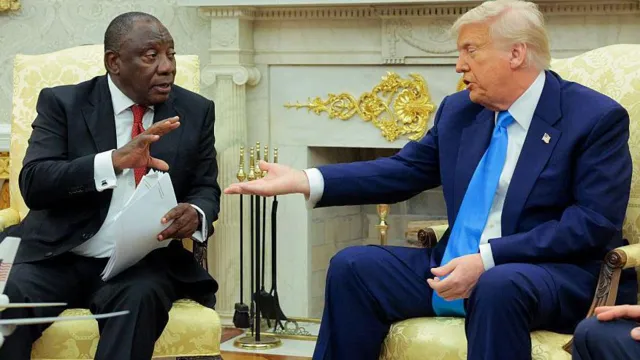
A US State Department official confirmed it would host a meeting next week to discuss ongoing ceasefire negotiations with Israel and Lebanon.
Lebanese officials called for a ceasefire before the talks begin, but Netanyahu in a subsequent address to residents of northern Israel said: There is no ceasefire in Lebanon.
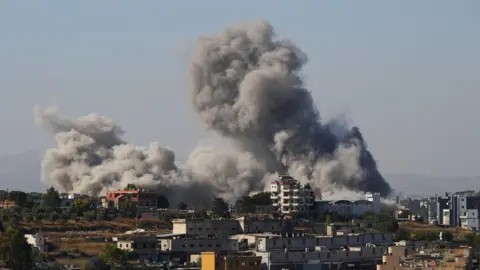
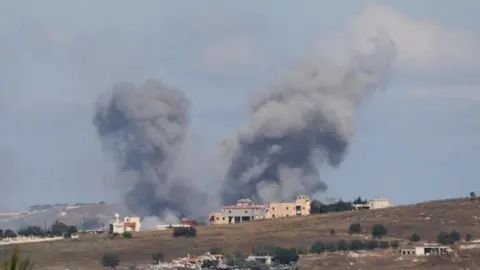
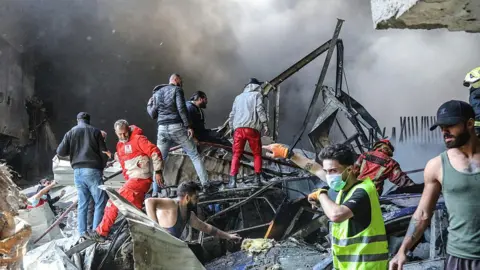
The Israeli military continued to strike Lebanon on Thursday - targeting what it described as Hezbollah rocket launch sites in the south. It also issued a new evacuation warning for residents in the southern suburbs of the capital, Beirut.
The head of the World Health Organization (WHO), Tedros Adhanom Ghebreyesus, stated that this included the Jnah area, home to two major hospitals. At this time, no alternative medical facilities are available to receive approximately 450 patients from the two hospitals (including 40 patients in the ICU), rendering their evacuation operationally unfeasible, he added.
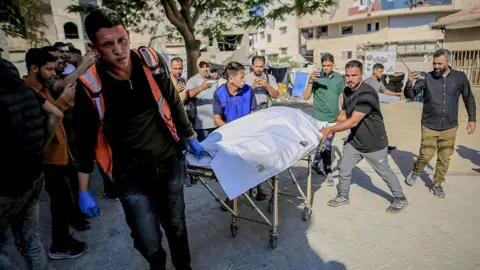
According to the WHO, some of the 1,150 people wounded during Wednesday's extensive wave of Israeli strikes were among those in need of hospitalization, with at least 303 fatalities reported.
The current conflict, which has already seen extensive loss of life and displacement, raises questions about the efficacy of the upcoming negotiations without a formal ceasefire in place. Observers note the challenges posed by Hezbollah's independent military operations and the limitations of the Lebanese government's authority over the group amid calls for disarmament.
As the strikes continue and humanitarian conditions worsen, the international community watches closely in hopes of a resolution to the ongoing crisis.