The Funeral That Planned to Send a Message to the World
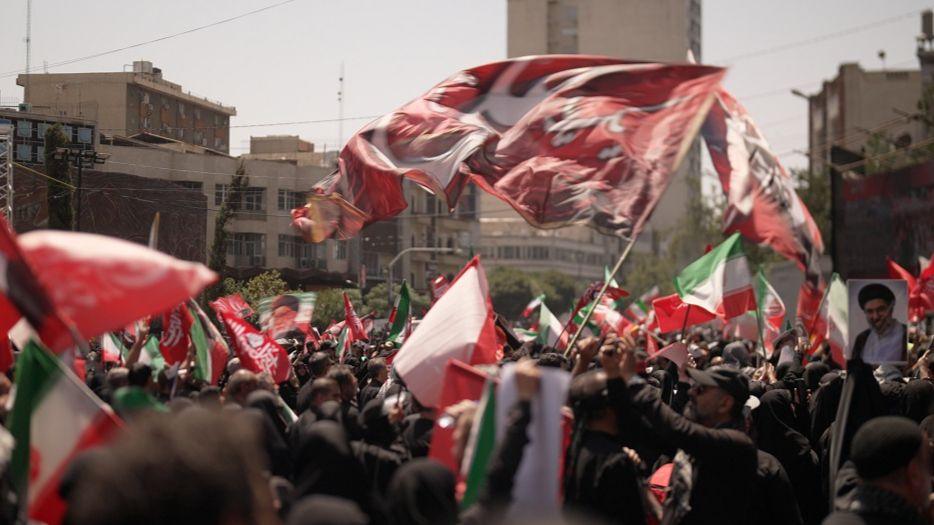
The three‑day mourning of Iran’s Supreme Leader, Ayatollah Ali Khamenei, erupted into an arena of political symbolism. A hulking funeral cortege, transporting Khamenei’s coffin and those of four family members, moved along a 10‑km route that was frequently stalled by crowds wearing black shrouds and chanting the Islamic Republic’s trademark slogans: “death to America” and “death to Israel.”
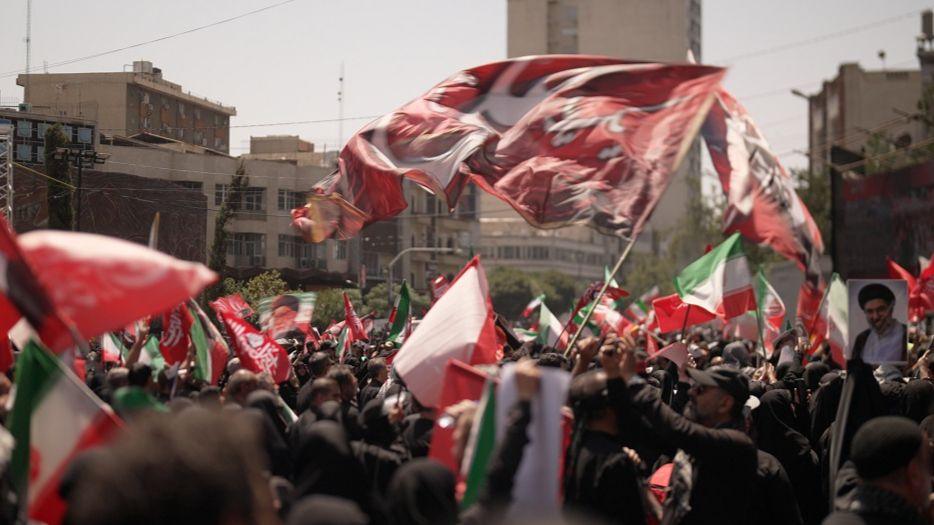
Delhi’s three‑day ceremony was a finely choreographed showcase of power under pressure: a flowing narrative told by the nation’s official channels that the Supreme Leader was not simply a domestic figure but a transcendent force tied to the wider Shia world. Yet, in a day marked by the quiet hush of mourning, many expressed an unwillingness to participate. A handful of residents explained that heavy inflation, ongoing war casualties and the bruised aftermath of January’s anti‑government protests had left them mentally exhausted and politically disillusioned.
A handful of mourners carried a message of vengeance. One man, Mojtaba, stated, “Soon you will see signs of revenge at the top of the White House, and soon the colour of the White House will be the colour of my red flag.” His words were part of a broader caution from Iranian officials, who echoed slogans like “Our revenge is inevitable” and declared that enemies would undoubtedly answer back.
While the procession underscored a sense of uncomprehending patriotism, it also revealed a split in domestic opinion. Foreign journalists, many of whom had been allowed close proximity to the event, were met by crowds that pushed them to “tell the truth.” Meanwhile, two young women were heard whispering that the real voices of revolution had been heard just months earlier. The recording of the funeral will inevitably become part of a broader narrative that Iran’s current leadership will confront, as it navigates the difficult path of imposing sanctions relief while maintaining cohesion against ongoing threats.
The funeral is thus both a memorial and a political spectacle. Iran’s future leadership, now headed by a 56‑year‑old successor still in exile, must face the challenge of balancing foreign pressures with a populace still unsure if revolutionary ideals will endure. The message was clear in the colossal clenched‑fist statue raised at Revolution Square, a symbol to say the Islamic Republic’s defiance would withstand external and internal challenges alike.