In brief
Iran’s Islamic Revolutionary Guards Corps said it successfully struck two ships in the Strait of Hormuz after a new round of US military strikes. President Trump warned the US would hit hard again, prompting US Central Command to launch "self‑defence" strikes in reaction to Iran’s aggression. Iranian state media reported the Strait closed, though Centcom said commercial shipping continued. The incident lifted Brent crude above $95 a barrel, reflecting global market sensitivity to Middle East tensions. UN Secretary‑General urged all parties for a diplomatic settlement to avoid a full‑scale war.
Iran claims it struck two vessels in the Strait of Hormuz after US launch of new air attacks
The Iranian Revolutionary Guards Corps (IRGC) announced the takedown of two ships in the Strait of Hormuz on Wednesday, following a fresh set of US air strikes aimed at Iranian targets.
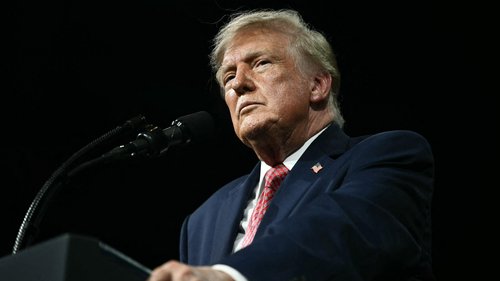
President Donald Trump warned he would be hitting Iran “hard” again the following day after the US had struck Iranian facilities. US Central Command (Centcom) called the operation “self‑defence strikes” in response to Iran’s “unwarranted and continued aggression.”
In Tehran‑controlled media reports, the Strait of Hormuz was declared “completely closed” to all vessels, while Centcom said commercial shipping continued in and out of the waterway. The closure briefly triggered a spike in global oil prices, with Brent crude climbing above $95 a barrel as traders reacted to heightened risk.
The tension follows an April cease‑fire agreement that expired after two weeks and then saw intermittent fire. Prior to the latest exchange, a US helicopter was downed in an Iranian‑blamed attack and the IRGC had targeted US bases across the region.
UN Secretary‑General António Guterres warned that the cease‑fire had become a “lesser‑fire” and called for a diplomatic settlement before the situation escalated. President Masoud Pezeshkian pledged Tehran would stand firm against any pressure.
The episode highlights a sharp escalation in the volatile Middle East, with both sides exchanging kinetic and messaging threats, while market observers remain wary of any spill‑over that could alter block‑chain shipping routes and global trade flows.