In brief
The picture of a crumbling girls’ primary school in Faridabad has ignited a social media‑driven movement called #FixTheSchool. The Cockroach Janta Party, after a high‑profile protest that ousted an education minister, now pushes for clean toilets, benches and digital boards in government schools. Stories of flooded classrooms, abandoned rooms and teachers diverted to electoral duties show the broader neglect, while students have begun demanding change from their local councils. The campaign has already prompted urgent repairs after viral videos forced authorities to act, signalling growing pressure on India’s education system.
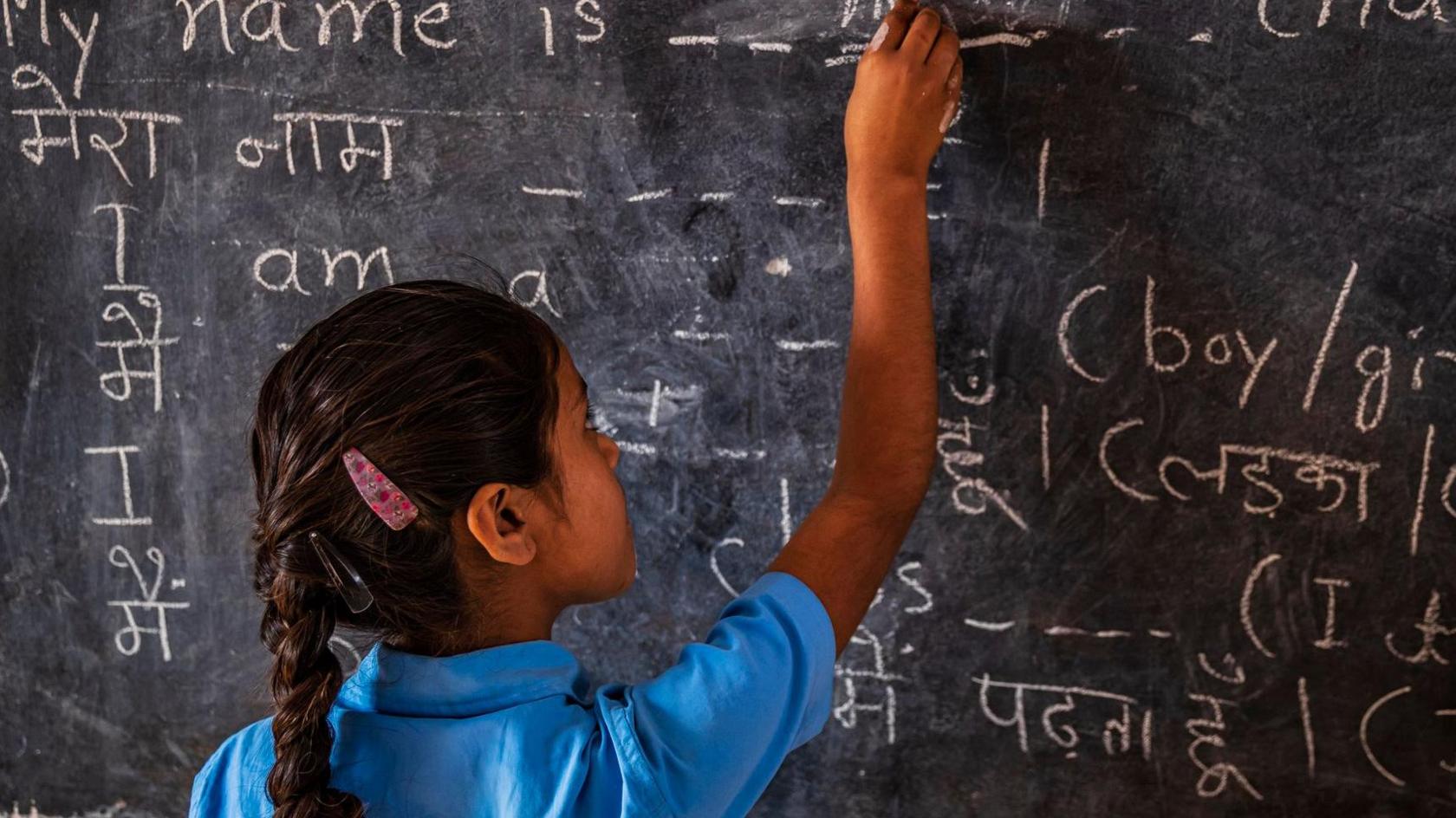
Inside a once‑promising one‑storey building in Khedi Kalan village, plaster slumps from the ceiling and four classrooms are filled with broken benches, a sign of deep neglect that mirrors many rural schools in India.
India spends just 4.1 % of its GDP on education, barely meeting UNESCO’s minimum. Many government schools have closed or merged over the past decade, and private schools have surged as a result of a perceived lack of quality in the public system.
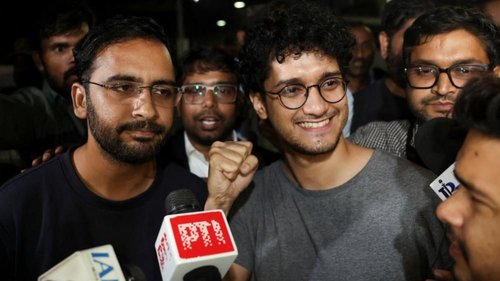
The Cockroach Janta Party (CJP), a satirical social‑media movement, leveraged a protest that ended with Education Minister Dharmendra Pradhan resigning. It now campaigns under the hashtag #SchoolThikKaro, demanding clean toilets, benches and digital boards for students.
Videos posted by CJP leaders show leaking roofs, students leaning on the floor, and pupils shouting demand for basic facilities on platforms that have 26 million followers. One viral clip of girls in Raigad mocking a broken road prompted local officials to repair the path.
Teachers are often sent to vote‑list revisions and census duties, leaving only a handful to teach 910 children in one of the schools. When asked why students of bad‑situated schools rarely keep their children there, a headmaster replied that bureaucrats prefer private institutions because they can afford better settings.
Local residents, like retired officer Satpal Narwat, remember a time when the village school offered both boys and girls a proper learning environment. Today, the same building remains unsafe, forcing students to learn in a veranda while a demolished structure stands empty.
The CJP’s campaign is gaining traction, inspiring students across India to voice grievances and start localized demands for better school infrastructure. With social media spreading awareness, the momentum could pressure the government to fulfil its National Education Policy’s vision of 6 % GDP spending on education.