A government shutdown is looming for parts of the federal government as Congress struggles to negotiate funding for the Department of Homeland Security (DHS). With the funding deadline approaching this Saturday, Democrats have indicated they will not support additional funding without new restrictions on immigration enforcement policies championed by President Trump.
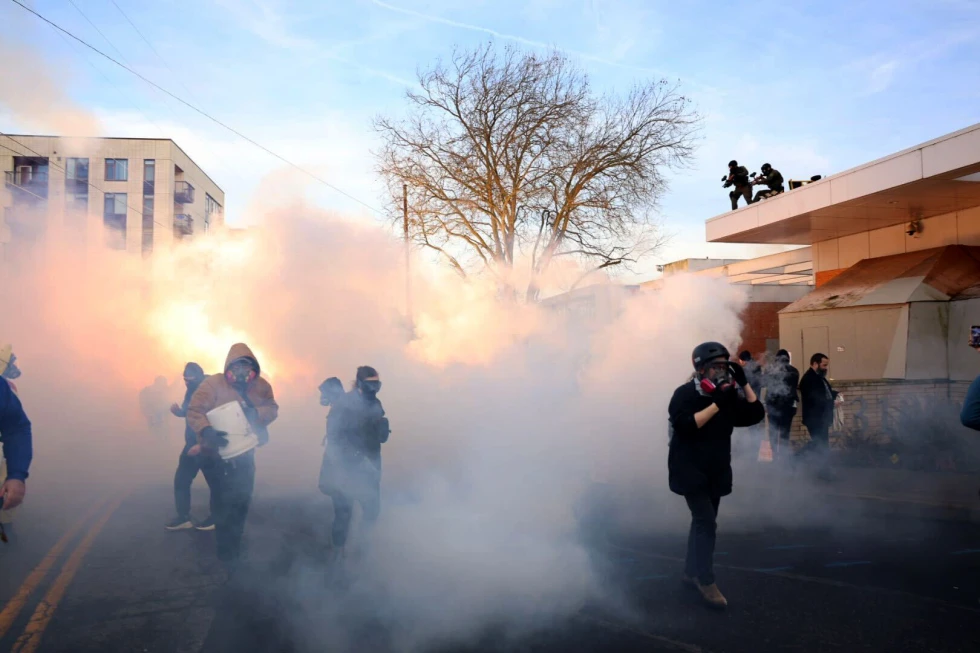
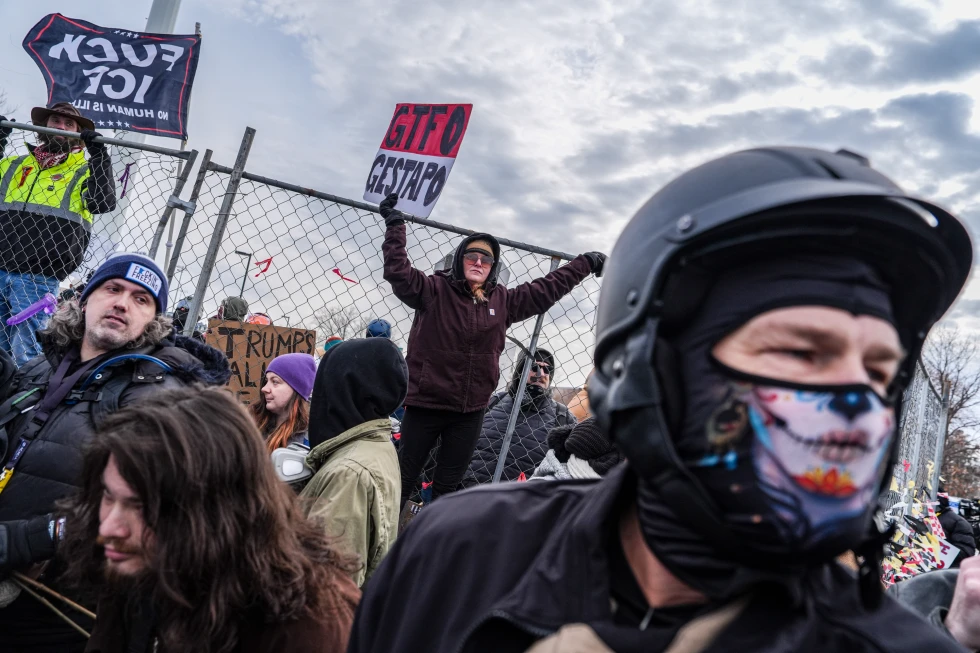
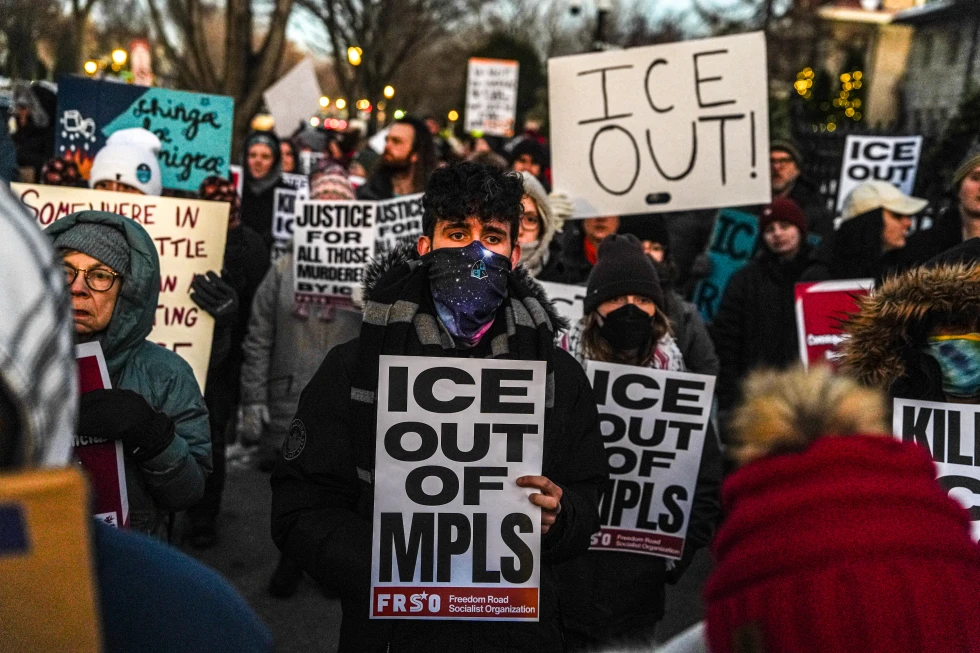
The call for restrictions follows the tragic shooting deaths of protesters, prompting Democrats to demand changes in immigration operations. Negotiations between the White House and Democrats have failed to yield a resolution, leading to expectations of a lapse in funding.
This shutdown, while not as extensive as last fall's 43-day closure, will primarily affect agencies under the DHS, such as Immigration and Customs Enforcement (ICE) and Customs and Border Protection (CBP). However, the potential ramifications could include missed paychecks for federal workers and delays in services, particularly airport screening.
Why is the Shutdown Occurring?
The standoff arises from the decision to strip DHS funding from a broader spending package, allowing for extended negotiations over immigration policy adjustments. This temporary funding measure is only set until February 13, leaving essential services at risk.
Most federal employee services will remain unaffected, including food assistance programs, while pay for many federal workers continues uninterrupted.
Agencies Affected
The funding lapse will significantly disrupt DHS operations, affecting services provided by agencies such as ICE, CBP, the Secret Service, and FEMA. While 95% of Transportation Security Administration (TSA) employees are deemed essential and will continue operations, they will work without immediate pay. Concerns over a diminished workforce as TSA workers may choose to call out sick due to financial strains have been raised.
This impending funding lapse reiterates the challenges faced by federal employees, particularly those working in security and emergency management, who are already under pressure from past shutdowns. Prolonged closures may lessen service efficiency at airports and emergency response capabilities nationally.
Workers' Impact
During a shutdown, federal agencies decide which employees are essential, typically those critical to public safety. Approximately 270,000 employees within the DHS are considered essential, meaning many will continue to work without pay during this period. A lack of immediate compensation could exacerbate stress among these employees, especially those impacted by previous shutdowns.
With fears of operational inefficiencies looming, lawmakers express uncertainty about potential travel disruptions as TSA staffing issues may lead to longer wait times at security checkpoints, reminiscent of difficulties seen in last year's closures. If funding isn't restored soon, the ongoing strain could result in stretched resources and compromised federal services.