Heart Implant Saves Danish Star Christian Eriksen After Collapse
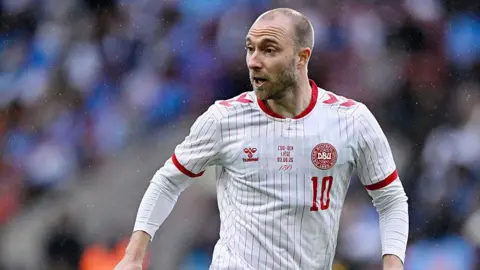
During a friendly match between Denmark and Ukraine on Sunday, 34‑year‑old Christian Eriksen collapsed on the pitch. Thanks to an implantable cardioverter defibrillator (ICD) that he received after a cardiac arrest in 2021, the device immediately fired, delivering an electric shock that restored his heartbeat and allowed the striker to walk off the field.
Eriksen said he was "doing well" at home with his family and that the ICD had performed exactly as it was designed to protect him. Medical experts describe the ICD as a mini‑defibrillator that continuously monitors heart rhythm, delivering a shock when a dangerous tachycardia or asystole is detected.
The device is a treatment, not a cure, and its use has become common among athletes who have survived a cardiac arrest. Notable examples include midfielder Daley Blind, who returned to play after receiving an ICD, and former Tottenham midfielder Fabrice Muamba, who retired at 24.
How ICDs Work
ICDs come in two main forms: a sub‑cutaneous model implanted near the armpit and connected to the heart via thin leads, and a direct‑connect model that is attached to the heart's chambers. Both constantly track electrical signals. When the algorithm detects a life‑threatening rhythm, it sends a high‑voltage shock through the heart to reset the beat, often described as a “thump” in the chest.
Prevalence and Screening
Sudden cardiac arrest in people under 35 kills around 12 individuals a week in the UK. Screening programmes in English football clubs test young players’ heart rhythm using an electrocardiogram every few years, uncovering that roughly one in 250 athletes may have a monitorable heart condition. Black athletes show a higher incidence of cardiac death, although the reasons remain uncertain.
Return to Sport
Contrary to earlier fears, many players with ICDs resume active play. Studies suggest about 10 % of those with devices receive shocks during sporting activity, indicating the devices are functioning properly. Doctors now collaborate closely with athletes to weigh risks and benefits, rather than imposing blanket bans. In Italy, however, footballers are prohibited from playing if an ICD is implanted, but regulations differ worldwide.
What Lies Ahead for Eriksen
While Eriksen’s doctors assess why his heart rhythm changed during the match and how to reduce recurrence, the device’s timely activation could mean a live‑saving outcome in future incidents. He has openly acknowledged that the ICD may eventually do the same for others, and he remains hopeful of a return to professional football if medical advice permits.
For more on the silent killers of young athletes, see BBC News stories about invisible heart risks and early screening.