In brief
A contentious food-related incident has brought to the forefront the complex relationship between politics and cultural identity in India. In Andhra Pradesh, the revered Tirupati temple, known for distributing laddu sweets, has become the center of a political storm. Following accusations by the newly-appointed Hindu chief minister, N. Chandrababu Naidu, against his Christian predecessor, allegations have surfaced regarding the use of adulterated ghee made with animal fats in the temple’s cooking operations. Given that a significant number of devotees adhere to vegetarian diets, this claim questions the sanctity of the temple's offerings.
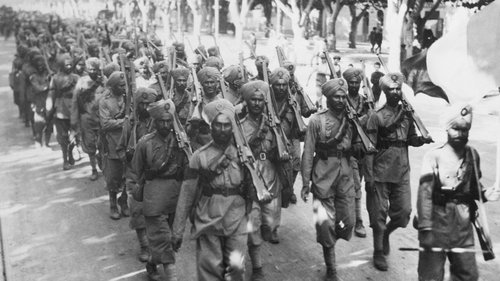
This incident reflects the growing politicization of food in the country, an issue exacerbated by the rise of Hindu nationalism. Issues surrounding food consumption have become increasingly contentious. With a history of cultural debates, such as the British induced rebellion based on beef-laced rifle cartridges in 1857, today's political climate has intensified scrutiny over dietary choices. Vigilante actions against those accused of consuming or transporting beef are on the rise, particularly targeting Muslim communities.The food culture in India, once considered a way to bring communities together, is increasingly polarizing, as culinary choices become markers of identity amidst the tensions of a changing political landscape. As the nation grapples with these cultural and political rifts, the intersection of food and identity remains a potent topic in contemporary discourse.