In brief
Hong Kong activists Lee Cheuk‑yan and Chow Hang‑tung, along with former lawmaker Albert Ho, have been convicted under the city's national security law for organising annual vigils commemorating the 1989 Tiananmen Square crackdown. They face up to 10 years in prison, with sentencing dates pending. Prosecutors argued the protests “endanger national security in the name of human rights,” a stance defended by the activists in court. The convictions highlight the tightening of dissent under the law and raise alarms among human‑rights advocates.
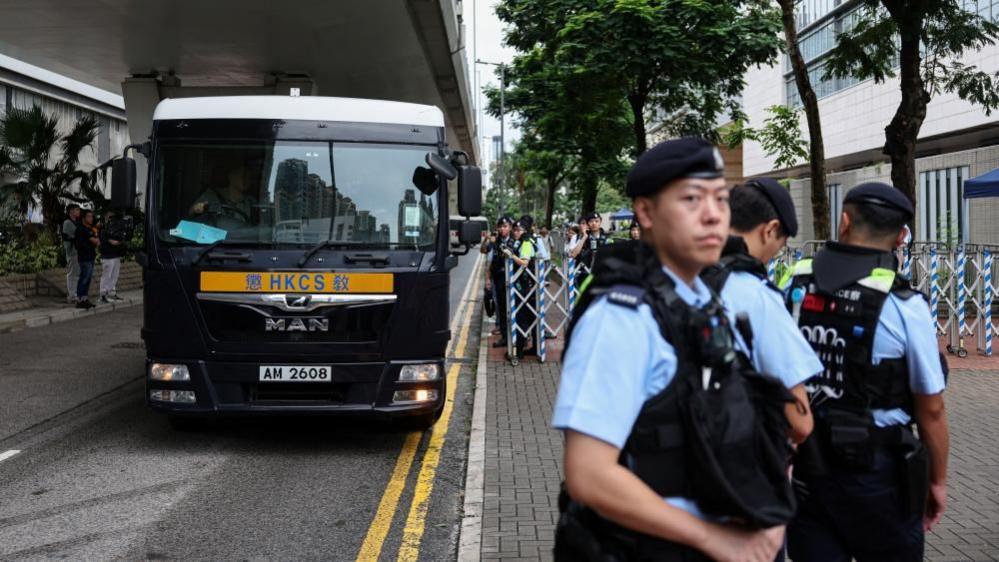
Lee Cheuk‑yan, 69, and Chow Hang‑tung, 41, were found guilty of “inciting subversion of state power” for organising annual vigils commemorating the 1989 Tiananmen Square crackdown. Their sentencing, capped at 10 years, will be announced later. The third defendant, former lawmaker Albert Ho, aged 74, pleaded guilty in January.
Prosecutors argued that the activists’ actions “endanger national security in the name of human rights” and that the law itself was being put to a trial in the courtroom. The vigils, banned in 2020 under COVID‑19 restrictions, have never returned – a backdrop that coincides with the National Security Law, introduced that same year, which criminalises a broader range of dissent.
The three leaders once headed the Hong Kong Alliance, a group founded in May 1989 to support student rallies and later called for accountability after the Beijing crackdown that killed hundreds and possibly thousands of protesters. The Alliance has advocated for democratic reform and the release of dissidents for more than three decades.
Critics, including Amnesty International, say the case relies on vague, broad definitions of subversion that threaten civil liberties. The conviction marks a stark reminder that standing up for quiet remembrance may now carry a prison sentence in Hong Kong.