In brief
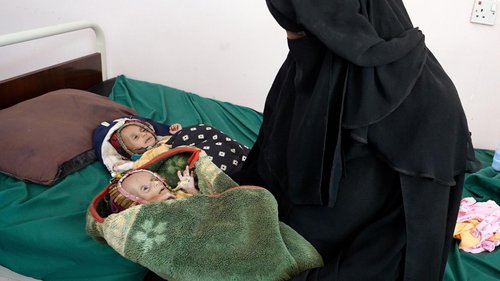
As the conflict escalates, pregnant women in Gaza are confronted with acute food shortages and a lack of medical care, leading to alarming increases in underweight infants, premature births, and maternal anxieties over childbirth. Many mothers are forced to navigate poor health, malnutrition, and inadequate healthcare facilities, exacerbating their already precarious situations.
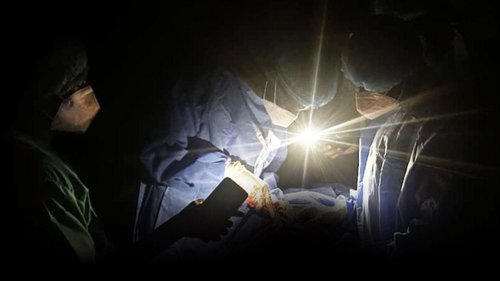
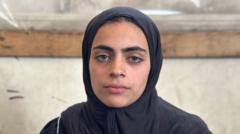
In the midst of ongoing violence in Gaza, the conditions for pregnant women and newborns have become increasingly desperate, with serious implications for maternal and infant health. The UN reports that nearly one in ten newborns in the region is either underweight or born prematurely, as the blockade continues to impose severe restrictions on food and medical supplies.Malak Brees, a mother-to-be currently in her seventh month of pregnancy, expresses her fears of a premature delivery caused by the intense stress from bombings and constant displacement. “I never thought I would feel this much panic about my pregnancy,” she shared in an interview, emphasizing the dire need for medical assistance that remains out of reach due to the blockade. Her previous pregnancy was marred by loss, instilling fear of potential complications that could arise again.The situation is exacerbated by a lack of vital medical supplies and a fragile healthcare system. Many women find themselves giving birth in makeshift shelters without proper medical supervision. Sandra Killen, a pediatric nurse who has worked at Nasser Hospital in Khan Younis, notes that the lack of comprehensive care means women are discharged shortly after delivery, often with no follow-up or support, with their newborns at risk of serious health issues usually managed in neonatal intensive care units.The strained health services also result from Israeli military actions that have damaged hospitals, starkly illustrating the broader humanitarian crisis faced by the population. With an estimated 55,000 pregnant women in Gaza, many are unable to access basic pre-natal care or nutrition, a situation compounded by insecurity and psychological stress. Dr. Ahmad al-Farra from Nasser Hospital lamented the emotional toll on expecting mothers, highlighting the pervasive anxiety about their babies’ health and future.Aya al-Skafi recalls her experience of feeding her baby, Jenan, who ultimately succumbed to malnutrition after her mother was unable to access proper nourishment. Like many others, she faced heartbreaking decisions as basic resources dwindled. Despite initial good health for her baby, the escalation in fighting and subsequent shortages left her grappling with despair.Breastfeeding, which is crucial for infant survival, is also hindered as mothers struggle with their health challenges and lack of supportive environments. Organizations like the Gaza Infant Nutrition Alliance aim to equip local health workers with the skills to better assist mothers, yet the overall climate remains fraught with difficulties. Nurse Killen emphasizes the importance of encouraging breastfeeding over reliance on formula, despite the harsh realities that many mothers face.The stories of women such as Jomana Arafa, who tragically lost her twin infants and her life in a missile strike, exemplify the profound grief and loss affecting families in the region. All around Gaza, the repeated cycle of violence continues to shadow what used to be the joyous anticipation of new life.With each passing day, the grim realities of childbirth and maternal health have transformed from moments of joy into profound struggles for survival amid the chaos of war. In a region where hope is desperately needed, the plight of mothers and their newborns underscores the urgent crisis and need for greater humanitarian access and support for those most vulnerable.